
If you've applied for BA Music Performance and Production, BA Songwriting and Production, or BA Vocal Artistry and Production and haven't yet booked your audition, you're not the only one. A lot of applicants sit on their audition longer than they need to, not because they're not keen, but because the whole thing feels more high-stakes than it probably is.
This is a straightforward breakdown of what the audition and portfolio actually involve, what we're looking for, and why the recorded submission route might suit you better than you'd expect.
What to submit
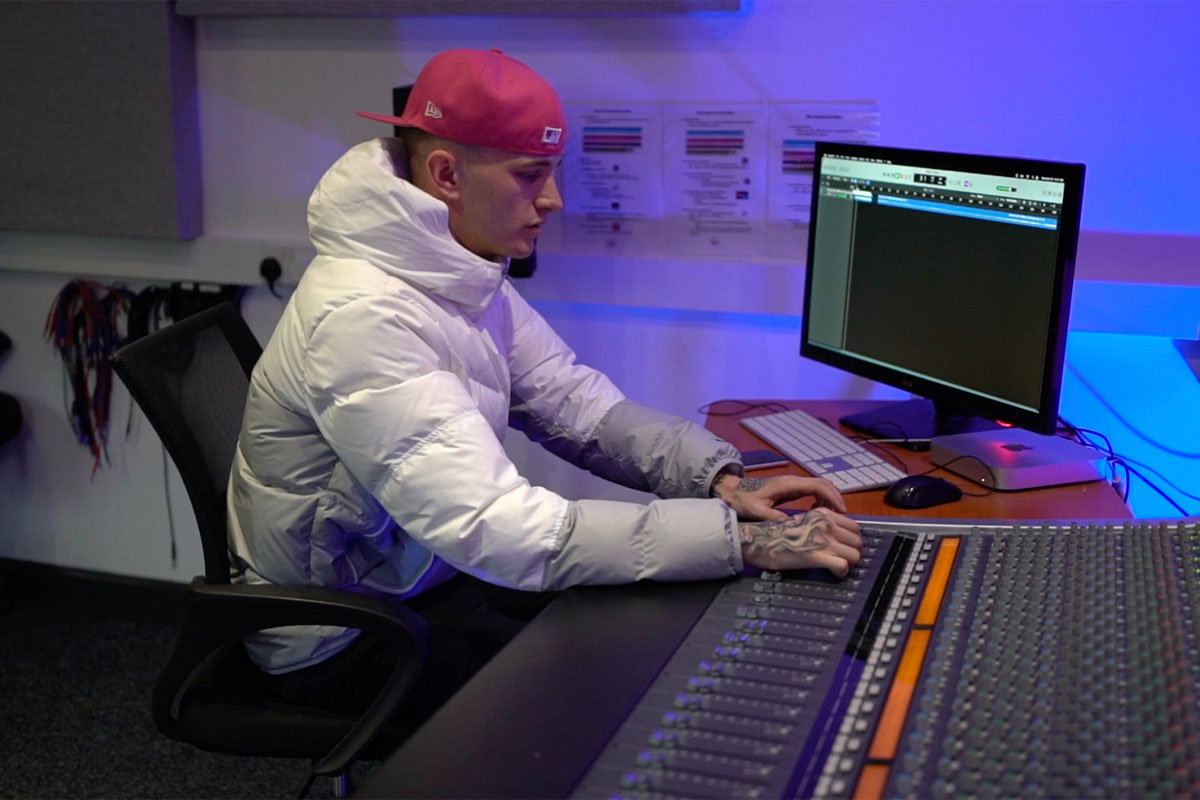
There are three parts to your application: a portfolio track, an audition performance and an interview.
- The portfolio track is a self-produced or co-produced recording between two and a half and four and a half minutes long, submitted as an .mp3 or .wav. We want to hear how you use a DAW to make creative decisions and structure music. It doesn't need to be mixed and mastered; we're listening for ideas and intent rather than polish.
- The audition performance is between two and a half and four minutes. For most courses, it can be a cover or an original, though for BA Songwriting and Music Production it needs to be an original composition. You can either pre-record it and submit alongside your portfolio, or perform live during your interview.
- Your interview is a conversation with a member of our academic team about your work, your creative process, and what you want to get out of the course. It's also your chance to ask us anything about studying at dBs Institute. You book it online using the link in your application email, and you choose whether to come in person or do it over video.
What we're listening for
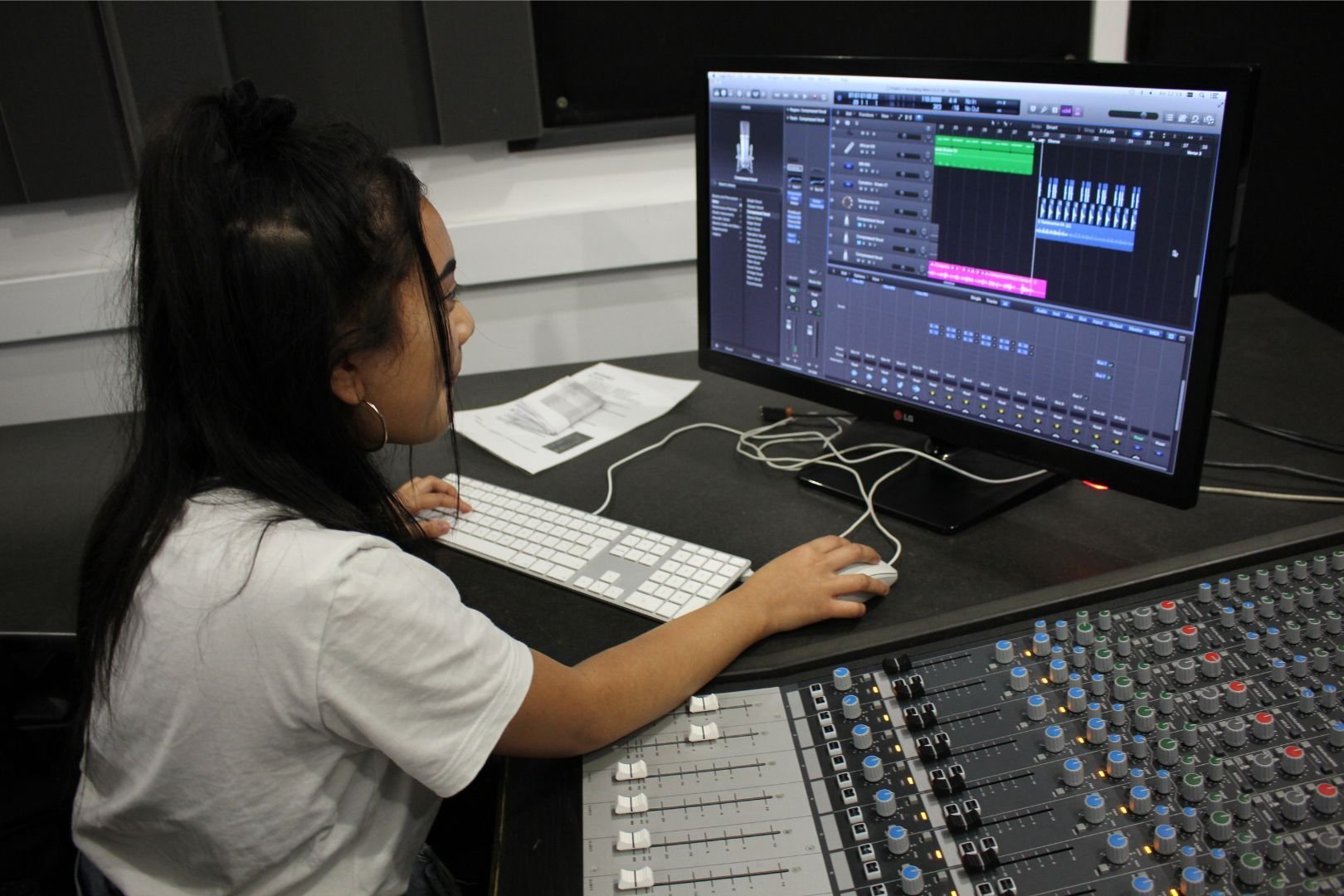
We're not assessing music theory knowledge in an academic sense, and we're not expecting a commercial-sounding release. It’s more about us understanding how you think musically, the decisions you made and why, and how you use elements like harmony or rhythm in your own way.
Every year, we hear submissions across the full range, from fully produced tracks to basic two-track recordings made on a phone. Any kind of demo can make a strong impression; what matters is whether there's intent behind what you've made.
Pre-record your audition
You can complete your audition by pre-recording your performance and submitting it with your portfolio, and it's a more useful option than people often assume.
Recording at home means as many takes as you need. You can listen back, decide whether it represents you well, and submit when you're happy with it. There's no live pressure, no travel, and if distance or work commitments make a live slot difficult, it removes that barrier entirely.
The recording needs to be a single unedited take, which means no cuts, minimal effects unless they're appropriate to the style, and the performance needs to be clearly audible. A phone recording is fine. It doesn't need to be professionally filmed.
For some people, the process of sitting down to record something properly is useful in itself, separate from the application. You make decisions about your material, hear it back critically, and figure out what you actually want to say with it. That's not a bad thing to have done, regardless of what happens next.
If you'd rather perform live
The live audition runs as part of your interview, in person at one of our campuses or online. Same length, same format; one piece, accompanied or unaccompanied, cover or original.
If you want to go this route, make sure you select an interview/audition slot when you book. Not all interview slots include time for a live performance, so it's worth checking when you schedule.
Making your portfolio track
Your portfolio track can be made entirely with free tools. BandLab runs in a browser on any device and has reverb, compression, and a built-in loop library. GarageBand is already on your iPhone or Mac. Audacity is a free download for PC. All of them have a metronome and basic effects built in.
We've put together a detailed step-by-step guide that walks you through making your demo from scratch, covering tool selection, recording tips, free loop sources, and exporting your finished file. If you've never opened a DAW before, it'll get you from zero to a finished submission in an afternoon.
We also offer a free one-to-one with one of our tutors if you want to talk through your ideas before you record anything.
Come to an Open Day
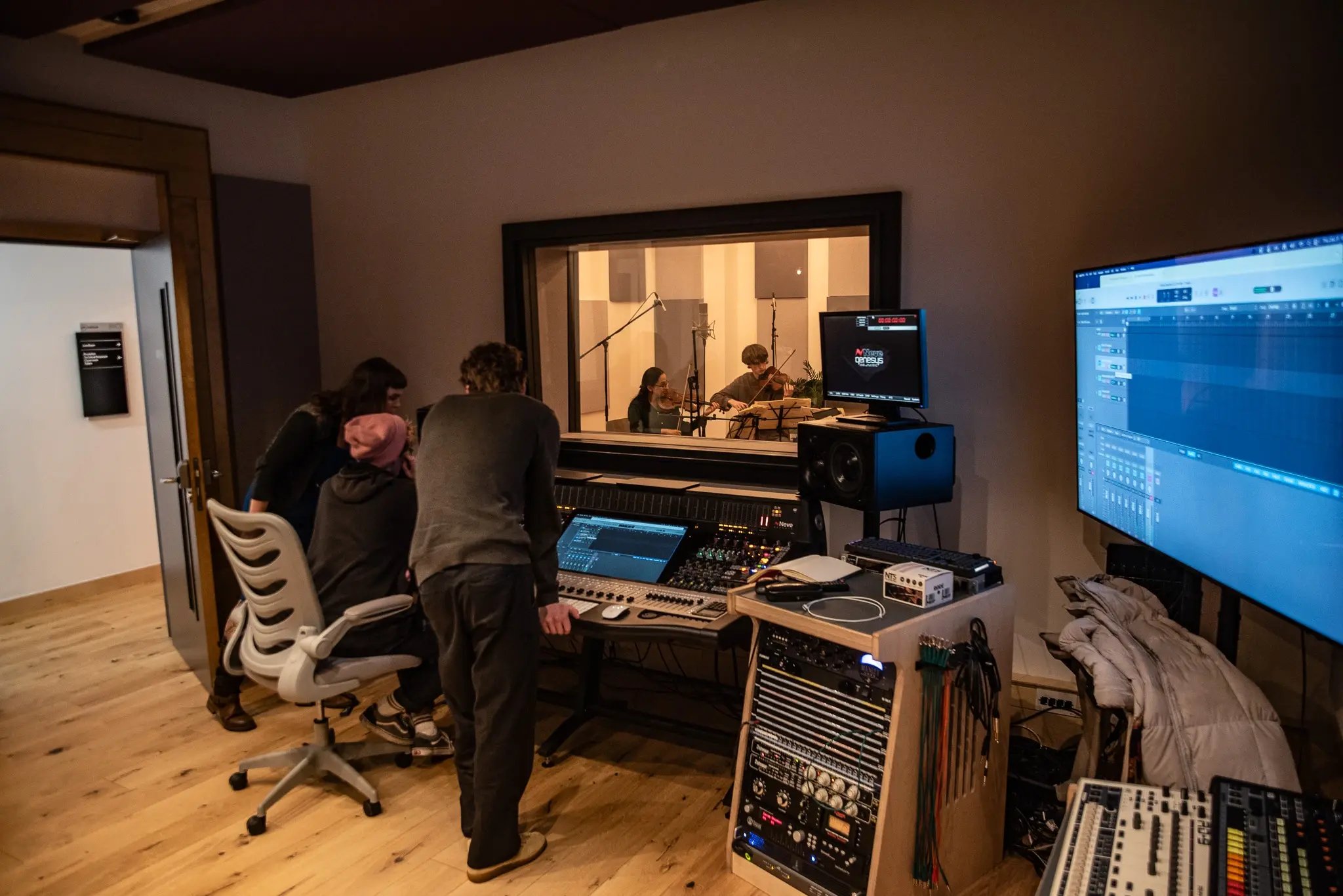
If you haven't visited yet, it's worth coming to see the spaces and meet the team before you audition. It tends to answer questions that are harder to get across any other way.
Ready to book your interview?
If you’ve already made your application, once processed, you will be sent a booking link via email. If you haven't received it or need help with anything, get in touch with the admissions team at admissions@dbsinstitute.ac.uk or on 0161 552 6467.
SHARE NOW