Radio airplay can change everything; it can introduce your music to audiences you'd never reach alone, generate royalty income, and, at the right moment, can be the thing that tips your career from promising to unstoppable.
In an era of streaming, playlists and TikTok algorithms, it might be tempting to write off radio as something that belongs to a previous generation of music, but that would be a mistake.
Radio remains one of the most powerful forces in music discovery in the UK, with millions of listeners tuning in every day across national, regional and specialist stations. PRS figures show that music played on air generated £49.9 million in royalties in 2024 alone. The opportunity is real, and it is there for artists who understand how to pursue it.
Why radio still matters
Before we get into the how, it's worth pausing on the why, because understanding what radio actually does for an artist changes the way you approach it.
Radio is not just about plays, it is about credibility, discovery and reach. When a BBC Radio 6 Music DJ picks up your track, or your song gets added to a BBC Introducing regional playlist, it signals to the wider industry that someone with taste and authority has vouched for your music. That signal travels. Promoters, booking agents, press contacts, and other DJs all pay attention to what is being played on the radio, and a well-timed airplay can open doors that no amount of social media posts will.
It also pays; every time your music is played on a licensed UK radio station, you are entitled to royalties. For emerging artists, those payments might start small, but they are real income, and as your airplay grows, so does the return.
Target local stations
The most common mistake emerging artists make when pursuing radio airplay is aiming too high, too soon. National radio play, BBC Radio 1, 6 Music, and 1Xtra, doesn't tend to happen until you have already built a track record at a lower level. The artists who end up on those playlists almost always started somewhere smaller.
Local and regional radio stations are your starting point. Most areas of the UK have local BBC stations, community radio stations and independent broadcasters who actively programme music from artists in their region. They are looking for good music from local acts, and are far more accessible than the national networks. For example, if you’re in Manchester, you can submit music to Unity Radio if it's in the genres of Hip Hop, RNB, Grime, Garage, Bass Music, Drum & Bass, House, Reggae & Afrobeats.
Start by identifying which stations broadcast in your area and which shows feature new or local music. Then take the time actually to listen to those shows. Get a feel for the kind of music they play, the tone of the programme and what would feel like a natural fit.
Submitting a track that is completely at odds with a show's identity is a waste of everyone's time. Submitting something that sounds like it belongs there is the beginning of a relationship.
BBC Introducing: the most important platform for emerging UK artists
If you are an unsigned or independent artist based in the UK, BBC Introducing is the single most important radio platform available to you, and you should be using it.
BBC Introducing is a BBC Music initiative specifically designed to discover, support and champion unsigned and under-the-radar talent. It operates more than 30 regional shows across the UK, and it works like this:
- Upload your music via the BBC Introducing Uploader, and a regional team will listen to it. Every submission is heard, the BBC guarantees that a member of the Introducing team will listen to your track within six months of upload.
- If your track is selected, it will be played on your regional BBC Introducing show.
- If it impresses at that level, it can be passed upwards to national shows on BBC Radio 1, 1Xtra, Radio 2, Radio 3, and 6 Music.
The pathway from a regional Introducing show to national airplay is well established and well documented; artists including George Ezra, Myles Smith, Blossoms, Declan McKenna, and many others have come through this route.
The statistics speak for themselves: reports indicate that 83% of acts performing at Reading and Leeds Festivals in 2024 were championed through BBC Introducing channels. Festival slots, live session opportunities at Maida Vale Studios, and national airplay all flow from the platform for artists whose music is strong enough to be picked up.
Make sure your music is radio-ready
This is worth saying clearly: the most important factor in getting your music played on the radio is its quality.
Radio producers and DJs receive enormous volumes of submissions. They are not looking for reasons to play your track; they are looking for tracks that are so good they can't be ignored. The technical standard matters, but what matters most is the song. Is it compelling? Does it have an identity? Does it make someone want to listen again?
In terms of technical quality, your track needs to be properly mixed and mastered to a broadcast standard. This doesn't mean it has to be expensive or over-produced; plenty of music with a raw, lo-fi quality gets played on the radio, but it does need to be finished and intentional. There is a difference between sounding raw because that is the aesthetic, and sounding rough because the production hasn't been completed properly. Producers can hear that difference immediately.
Also, think about how your track will sound through car speakers, headphones during a commute, and studio monitors. The best radio records sound great across all of those contexts. If your mix only works in one listening environment, that is worth knowing before you submit.
Build your artist profile
Your music does the heavy lifting, but your artist profile is the supporting material that makes a producer's job easier and helps them champion you.
When you upload to BBC Introducing or approach any radio station, you should have the following in place:
- A strong artist bio: Radio producers and DJs need something to say when they introduce your track on air, give them something interesting to work with.
- A professional image: A high-quality picture to showcase your vibe.
- Your social media and streaming links: Make it easier for people to follow and discover more of your tunes.
- Evidence of momentum: You don't need much of this at the beginning, but even small signs of traction are worth including.
Keep your profile up to date, if you play a significant gig, release new music or something about your story changes, update it. A stale profile suggests an artist who isn't actively working.
Register with PRS and collect your royalties
This is one that a surprising number of emerging artists overlook, and it is too important to skip. You need to register with PRS for Music before you start pursuing radio play.
PRS for Music collects and distributes royalties on behalf of songwriters, composers and publishers whenever their music is played publicly, including on licensed radio stations. Every time your track is
played on air, you are owed money. But you will only receive those royalties if you are a registered PRS member and your tracks are registered in their system.
The process is straightforward: you can sign up and register your tracks through their Register My Music tool. PRS currently offer a reduced membership rate for songwriters under 25. There is no good reason to delay this; do it before you start submitting music anywhere.
How dBs Institute can help
Understanding how the music industry works, how radio operates, how to build a professional profile, and how to navigate the landscape as an independent artist is as important as the music you make. The artists who sustain careers are the ones who understand both.
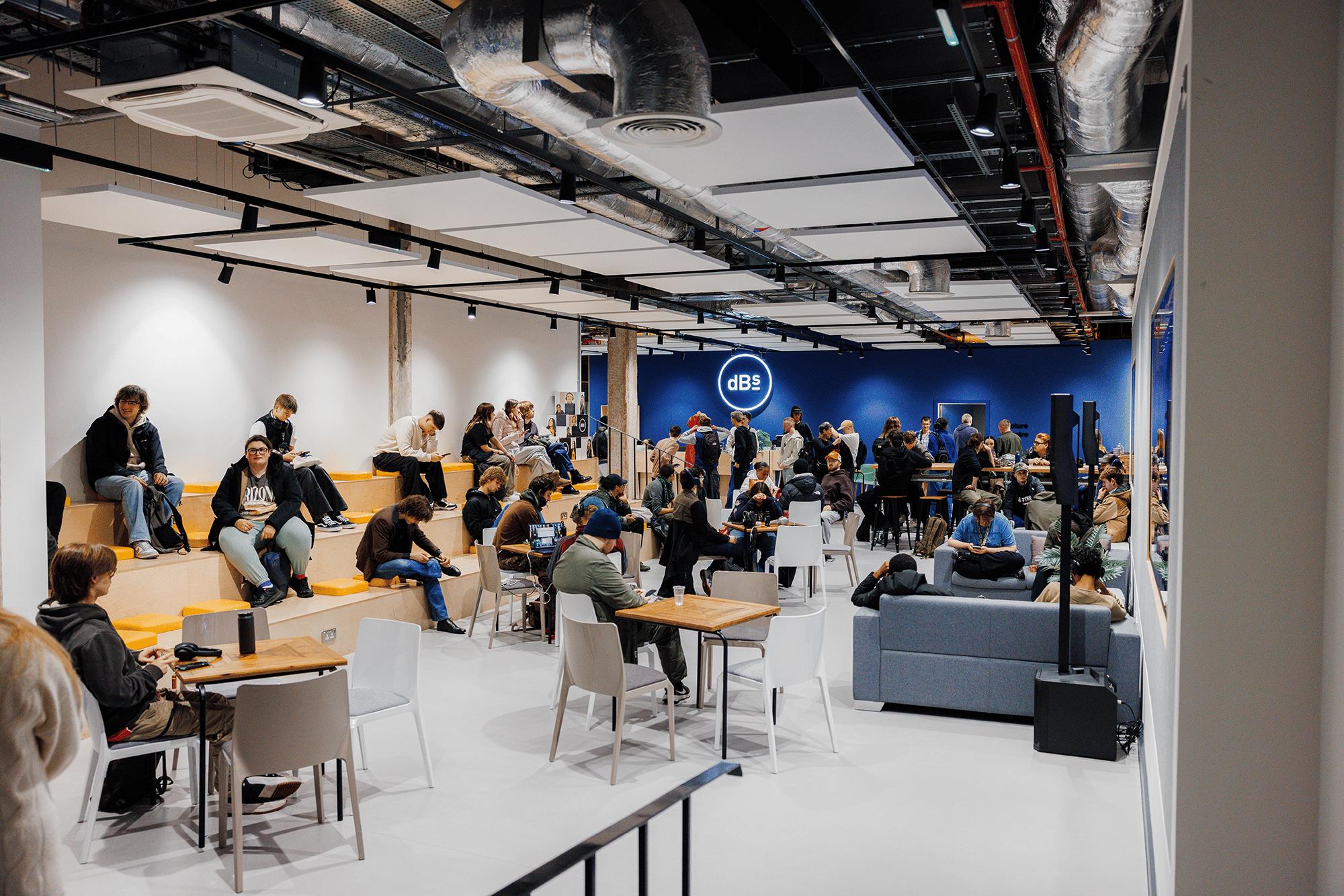
At dBs Institute of Music, we teach our students not just how to make great music, but also how the music industry functions. Our degree courses in music production, vocal artistry, event management and more are taught by industry professionals who have lived experience of exactly the processes described in this guide, people who have worked in radio, released records, managed artists and built careers in the music industry.
If you are serious about building a career in music, come and see what studying at dBs is really like. We run regular Open Days at all of our campuses, or you can book a tour at any time.