.jpg?width=300&name=DSC_4303%20(1).jpg)
Landing your first live music gig can feel like trying to crack an impossible code.
You've spent months, maybe years, perfecting your craft in studios and performance spaces, but when it comes to actually getting on stage in front of a real audience, the path forward isn't always clear. Where do you start? Who do you contact? And how do you convince someone to take a chance on an artist without much live experience on their CV? These are questions that nearly every musician faces at the start of their journey, and the good news is that there's no single "right" way to do it.
The truth is, getting that first gig is less about having the perfect press kit or thousands of social media followers, and more about understanding how the live music scene actually works. It's about building genuine connections within your local community, knowing which venues align with your sound, and presenting yourself in a way that makes promoters and venue managers want to work with you. Whether you're a solo artist, part of a band, or a producer looking to perform your tracks live, the fundamentals remain the same, and they're far more achievable than you might think.
In this guide, we'll walk you through the practical steps to go from bedroom musician to gigging artist. From researching the right venues and crafting an effective approach, to preparing for your first performance and building relationships that lead to more opportunities, we'll cover everything you need to know. By the end, you'll have a clear action plan and the confidence to put yourself out there, because the only thing standing between you and that first gig is taking the first step.
How to get a music gig
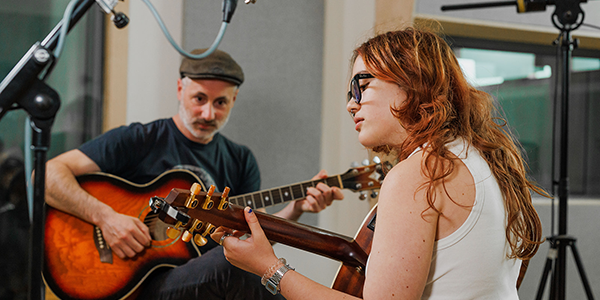
You probably understand why that first gig matters, so let’s dive into how to make it happen.
The process isn’t about waiting to be discovered or hoping someone stumbles across your music; it’s about being proactive, strategic, patient, and willing to put yourself out there in multiple ways. Some of these approaches will feel more natural than others, and that’s completely fine. The key is to try various methods and see what works best for you and your music.
What you’ll find is that landing gigs is rarely about doing a single thing brilliantly; it’s about creating multiple touchpoints that gradually build your presence and credibility.
Each step you take, whether it’s reaching out to a venue, posting a video, or attending a local event, helps show you’re serious, active, and worth booking.
Let’s break down the most effective ways to get your foot in the door for landing your first music gig.
Build a local network with other musicians
One of the most valuable things you can do early in your music career is connect with other musicians in your local area.
This isn’t about collecting contacts or treating others as stepping stones; it’s about genuinely engaging with your local music community and building mutually beneficial relationships. Other artists know the challenges you’re facing, because they’ve been there too. Many of them will be happy to share advice, recommend venues, or even invite you to support them at their own gigs. So don’t be shy to reach out to them! The music scene thrives on collaboration, and the connections you make now could lead to future opportunities you never considered.
Start showing a genuine interest in what other local musicians are doing. Follow them on social media, engage with their content, and look for opportunities to collaborate; whether that’s jamming together, co-writing, or simply swapping ideas about the scene. Many cities and communities have local musician groups on social media where people share gig opportunities, look for band members, or organise informal jam sessions. Getting involved in these spaces helps you stay informed about what’s happening locally and puts you on the radar of those who might be able to help you land your first gig.
Improve your online presence using social media
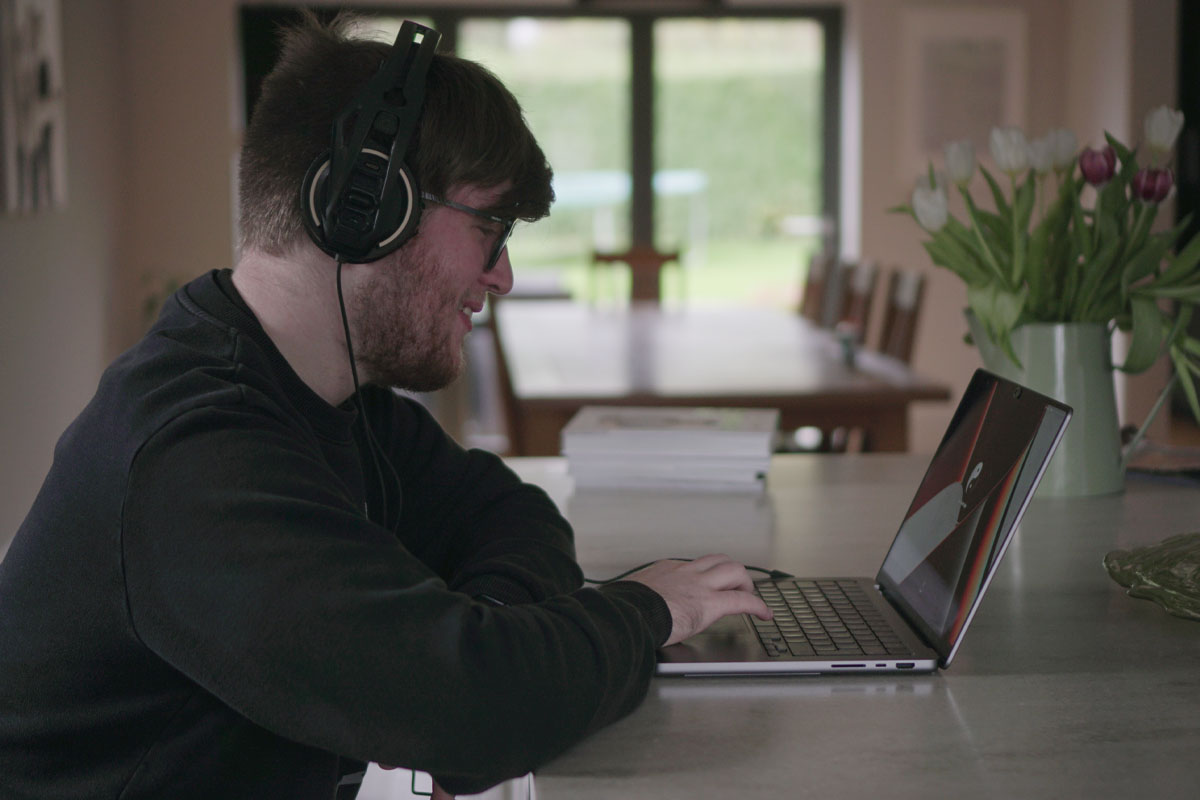
Your social media presence is often the first impression venues, promoters, and potential fans will have of you as an artist.
Before anyone books you for a gig, they’ll likely check out your Instagram, TikTok, or YouTube to get a sense of who you are, what you sound like, and whether you’re actively creating. This doesn’t mean you need thousands of followers or polished, professional content from day one. But it does mean you should be consistent, original, and strategic about how you present yourself online. Think of your social media as a living portfolio that shows you’re serious about your music and actively working towards your goals.
Focus on sharing content that gives people a genuine insight into you as an artist, such as behind-the-scenes clips from rehearsals, snippets of new tracks, live performances, or even just updates about what you’re working on. Platforms like TikTok and Instagram are particularly effective for engaging with new audiences, as short-form video content has a much higher chance of being discovered and shared. You can also:
- Engage with other musicians
- Comment on posts from local venues
- Share stories from other musicians or venues
- Use relevant hashtags to increase your visibility
You won’t go viral overnight, but doing this can build your online presence to reassure bookers you’re the real deal. When a venue manager sees that you’re active, engaged, building an audience and offering something new, it gives them confidence that you’ll bring energy and professionalism to their stage.
Contact local venues
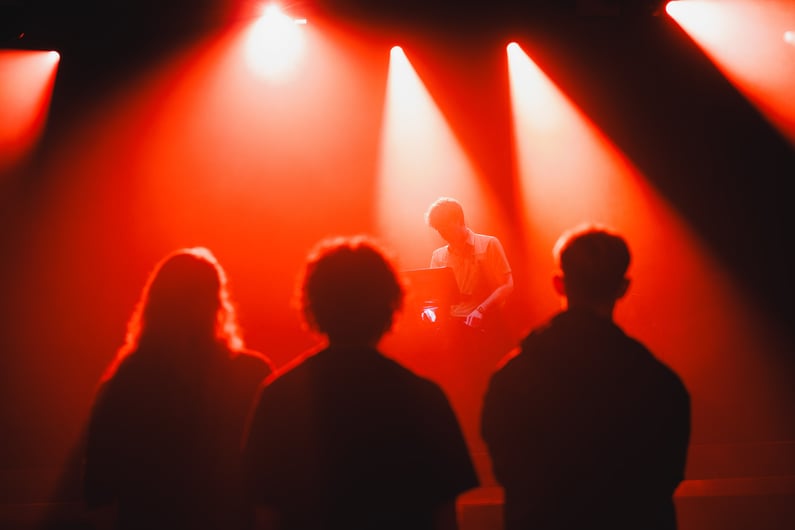
Reaching out to venues directly is one of the most straightforward ways to land your first music gig, but it requires some research and thoughtfulness.
Not every venue will be the right fit for your sound or your experience level, so take the time to understand which spaces align with what you do. Visit local venues in person if you can, and check out their social media pages to see who they’ve booked recently. Doing this can also give you a feel for the kind of nights they run. Are they hosting acoustic singers and songwriters, full bands, electronic acts, or a mix of everything? Understanding a venue’s programming will help your approach and show that you’ve done your homework, which can set you apart from generic mass emails many venues receive from aspiring artists.
When you’re ready to get in touch with the venue, keep your message concise, friendly and professional. You should try to:
- Introduce yourself briefly
- Mention why you think you’d be a good fit for their venue (referencing similar artists they’ve hosted can be helpful)
- Include links to your music and social media
Whilst some venues prefer emails, many others might be more responsive to Instagram DMs or Facebook messages. Check the venue’s website or socials to see if they’ve specified a preferred method. Don’t be discouraged if you don’t hear back straight away; venue managers are busy, and sometimes it can take a couple of follow-ups to get a reply. If you do get a response, even if it’s a polite “not right now”, stay courteous and keep them updated as you develop as an artist. Persistence and professionalism can go a long way, and today’s “no” could easily become next month’s “yes”.
Make a demo album
Having a demo album, or even just a few well-recorded tracks, gives venues and promoters something tangible to listen to when considering whether to book you.
You don’t need a full-length album to get started, but you do need recordings that represent your sound and show your audience what to expect from a live performance. A three or four-track demo is often enough to give people a clear sense of your style, your strengths, and what energy you bring. It’s a classic case of quality over quantity, as it’s better to have a handful of solid recordings than a dozen tracks that don’t hit the mark.
If you’re a student or have access to studios and production rooms, make the most of those facilities to create something you’re genuinely proud of. Work with tutors or technicians who can help you achieve the best possible sound, and don’t be afraid to ask for feedback before you finalise anything. Once your demo is ready, make sure it’s easily accessible. You can upload it to tools such as SoundCloud, Spotify, Bandcamp or YouTube so you can quickly share a link when opportunities arise.
Create your own Press Kit
![Welcoming Hannah Phipps- Our new Head of Campus at dBs Bristol [Featured Image]](https://insider.dbsinstitute.ac.uk/hs-fs/hubfs/Welcoming%20Hannah%20Phipps-%20Our%20new%20Head%20of%20Campus%20at%20dBs%20Bristol%20%5BFeatured%20Image%5D.jpg?width=1200&height=575&name=Welcoming%20Hannah%20Phipps-%20Our%20new%20Head%20of%20Campus%20at%20dBs%20Bristol%20%5BFeatured%20Image%5D.jpg)
A press kit is essentially a professional snapshot of who you are as an artist, and having one ready to go makes you look organised and serious about your music.
It doesn’t need to be complicated or overly formal. It is usually a simple one-page document (or a simple digital folder) that contains all the essential information required for someone to book you or promote your gig.
As a minimum, your press kit should include a short bio, links to your music and social media, any notable achievements or previous performances, and a couple of high-quality photos. If you’ve got press coverage, reviews, or testimonials from other musicians or venues, those are worth including too. The goal is to make it as easy as possible for a venue manager or promoter to say yes.
Attend open mic events
Open mic nights are one of the best low-pressure ways to get comfortable performing live and start building your confidence on stage. They’re informal, welcoming, and designed specifically for artists who are still finding their feet, which means there’s no expectation for you to be perfect.
Most open mics operate on a first-come, first-served basis or a sign-up list, so all you need to do is turn up, put your name down, and be ready to perform a couple of tracks. It’s a chance to test out new material, work on your stage presence, and get immediate feedback from a real audience. Even if it’s just a handful of people in a quiet pub on a Tuesday night, the experience is invaluable.
Beyond the performance itself, open mics are also brilliant for connecting with other musicians, venue staff and even potential collaborators. The atmosphere at these events tends to be supportive and community-focused, so it’s a natural environment for making connections and learning from others who are at a similar stage in their journey.
Regulars at open mic nights often know which venues are booking new acts, which promoters to contact, or which events are coming up that might suit your sound. By becoming a familiar face at open mic events, you are not only improving as a performer but also positioning yourself within a network that could lead directly to paid gigs.
Make your own music video
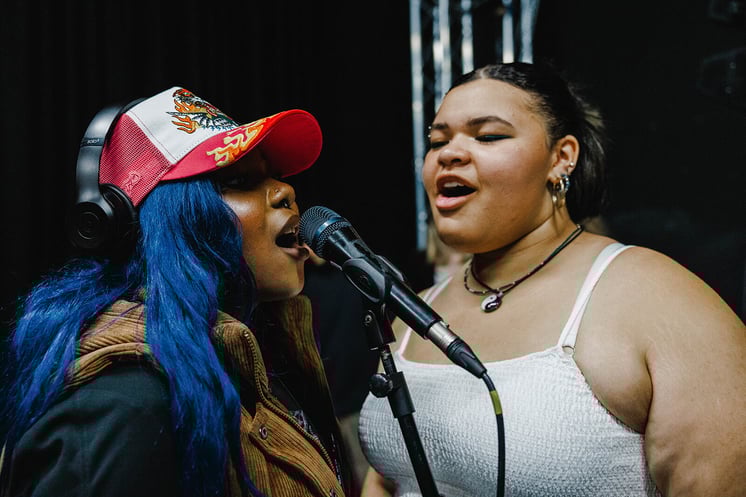
A music video gives you a visual identity and provides you with an opportunity to be shared more widely across social media platforms.
You don’t need a massive budget or a professional film crew to create something exciting. What matters is the video reflects your image, your artistic vision and gives the audience something compelling to watch.
Keep an eye out for support act opportunities
Supporting a more established artist is one of the most effective ways to land your first proper gig and reach a larger audience.
Headline acts often need support bands or artists to warm up the crowd, and these slots are typically offered to emerging musicians who are still building their live performance experience. It's a win-win situation, as you gain valuable stage time at a potentially larger venue, and the headliner gets to showcase new talent to their fans. Support slots also come with less pressure than headlining, as the audience is already there for the main act, which gives you more freedom to experiment and find your feet without the weight of filling the room yourself.
To find support opportunities, keep an eye on social media posts from local venues, promoters, and other musicians who might be looking for acts to join their bill.
Send your tracks to the radio
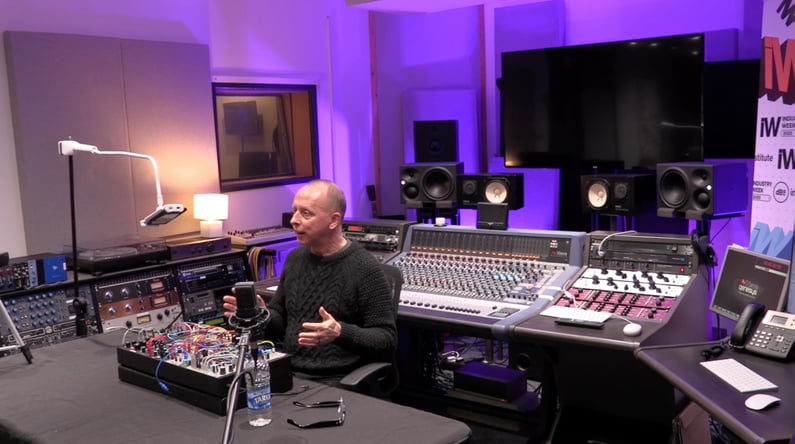
Getting your music played on the radio, whether that's local stations, community radio, or online broadcasters, can significantly raise your profile and open doors to live opportunities.
Radio play puts your tracks in front of new listeners who might not have discovered you otherwise, and it adds credibility to your name when you're reaching out to venues or promoters. You don't need major label backing to get airtime; many stations actively seek out emerging artists and dedicate shows to unsigned talent, local music scenes, or specific genres. Community radio stations, student radio, and specialist online stations are often particularly supportive of new musicians and are genuinely interested in championing fresh voices.
Start by researching which stations or programmes align with your sound, such as BBC Radio 1 or a local radio station, then check their submission guidelines; most will have a page on their website explaining how to send in your music.
Be resilient
Keep the faith! The reality of landing your first gig and building a live music career is that you’ll face plenty of rejection, silence, and setbacks along the way.
Venues might not respond to your emails, promoters might pass on booking you, and gigs you were counting on might fall through at the last minute. This is the reality of the music business. However, none of this means you’re not good enough or that you’re on the wrong path! It’s simply part of the process that every working musician has experienced. The difference between artists who make it and those who don’t often comes down to resilience: the ability to dust yourself off, learn from what didn’t work, and keep moving forward with the same energy and determination.
Get your music career started with a degree
At dBs Institute, we offer a range of music courses tailored to your specialist areas and the career you want to build.
We have courses at three campuses across the UK in Bristol, Manchester and Plymouth, with plenty of accommodation options in all 3 cities, so you have the option to either commute or move to study.
If you want to land music gigs, you should seriously consider applying for one of these three courses:
- BA (Hons) Music Performance & Production
- BA (Hons) Vocal Artistry & Music Production
- BA (Hons) Songwriting & Music Production
- BA (Hons) Electronic Music Production
Also, if you need any help with the application process, we have information on our website that can support you. We also have a great guide on how to write your UCAS personal statement, which you should check out before applying!
Before applying, you can also get a feel for dBs Institute by coming along to one of our open days. Get your music career started today!
SHARE NOW