

Moving into your first apartment as a student feels exciting right up until reality starts adding extra numbers to your shopping cart. One minute you are imagining cosy movie nights, decorating your room, and finally having your own space, and the next you are comparing Wi-Fi plans, grocery prices, deposits, and utility bills while wondering where your money disappeared.
For many students, renting a first apartment is the first real taste of financial independence and freedom, but managing student living expenses can quickly become overwhelming. While rent is only part of the picture, there are groceries to plan, transport costs to manage, and everyday essentials that suddenly become your responsibility.
However, the good news for students preparing for life at dBs Institute, renting your first apartment can be both exciting and affordable. With the right approach, you can keep costs under control and still enjoy a rewarding and vibrant student experience. Small choices early on, like knowing your lease properly, living in a shared apartment, or doing weekly meal preps, can make a huge difference throughout the academic year.
Whether you are moving into student accommodation for the first time or exploring shared student accommodation, understanding how to budget and plan ahead can help you enjoy university life without constantly worrying about money.
1. Look Beyond Rent Before Choosing Your First Apartment
One of the biggest mistakes first-time renters make is assuming rent is the only major expense. In reality, there are several additional costs that can quietly stretch your monthly budget if you are not prepared for them.
Rent Is Only One Part of the Expense
Before signing any agreement, make sure you calculate your total monthly living expenses, not just the rent amount. Along with accommodation costs, students often need to budget for:
- Electricity and water bills
- Wi-Fi and mobile plans
- Laundry expenses
- Transport costs
- Kitchen supplies and cookware
- Bedding and furniture essentials
- Security deposits and advance rent
For example, a student may choose a cheaper apartment far from campus, only to end up spending far more on daily transport. Looking at the bigger picture helps you avoid financial surprises later.
Learn to Spot Hidden Costs Early
Some housing options may look affordable at first, but include hidden costs that students often overlook. Before agreeing to anything, always ask questions about:
- Maintenance charges
- Utility caps
- Deposit deductions
- Cleaning fees
- Contract cancellation policies
2. Decide Your Monthly Budget Before Apartment Hunting
Creating a realistic budget before searching for accommodation helps students avoid overspending. It also makes apartment hunting less stressful because you already know what you can easily afford.
Separate Essential vs Non-Essential Spending
Start by dividing your expenses into two categories:
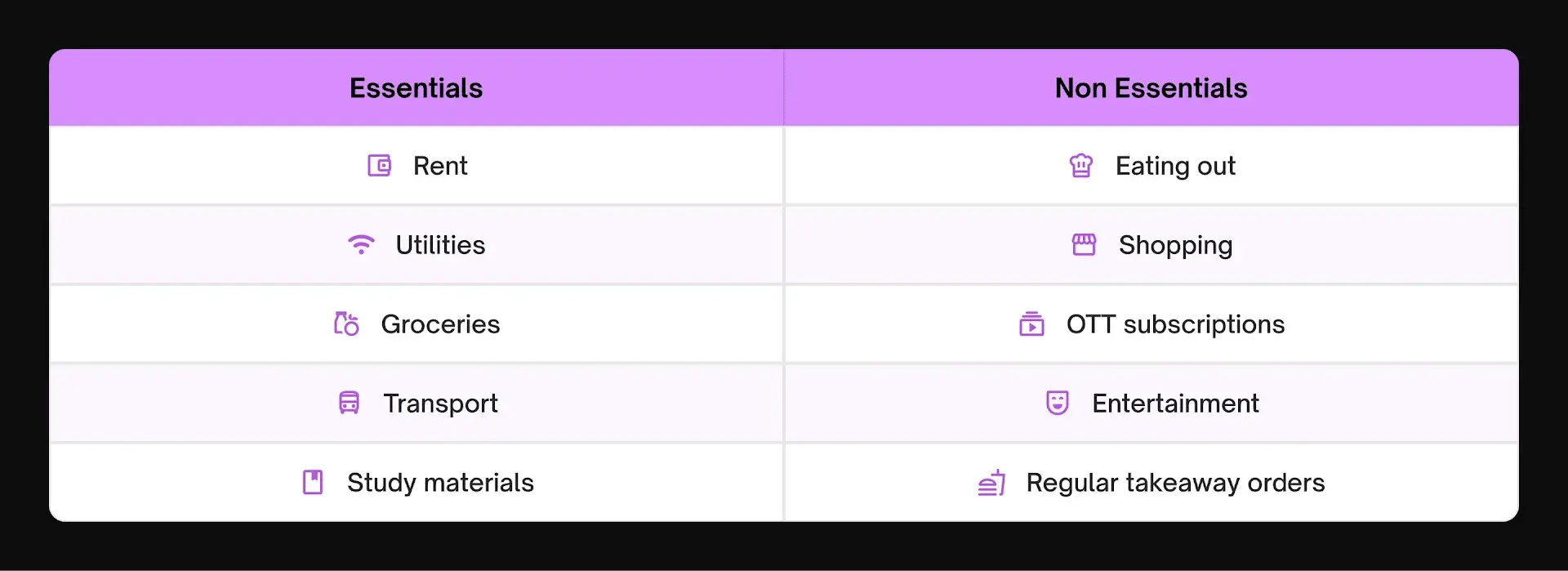
This does not mean that students cannot enjoy the process. The goal is to simply understand where your money goes every month.
Use Student Budgeting Apps or Spreadsheets
Many students underestimate how useful budgeting apps can be. Tracking expenses for even one month often reveals spending habits people do not notice otherwise.
Simple spreadsheets or budgeting apps can help students:
- Track rent and bill payments
- Set spending limits
- Monitor savings goals
- Avoid unnecessary purchases
Even small daily expenses can add up faster than expected during university life.
Follow the “Needs Before Wants” Rule
A good rule for first-time renters is to prioritise necessities before lifestyle purchases. It may be tempting to decorate your apartment immediately or buy that expensive furniture, but starting with the basics is usually the smarter option.
Try to focus on:
- A comfortable study setup
- Essential kitchen items
- Basic furniture
- Everyday living needs
You can anyway, upgrade your space and lifestyle as you settle in the city.
3. Negotiate Your Rent When Possible
Many students assume rent prices are fixed, but in some situations, there may be room for negotiation. While landlords may not reduce the rent dramatically, students can still ask practical questions such as:
- Are utility bills included?
- Is there a discounted rate for longer stays?
- Can the deposit amount be negotiated?
- Are there group discounts for shared accommodation?
Negotiating politely does not make you difficult. It simply shows that you are financially aware and trying to manage your budget responsibly. Planning your accommodation search early can also help you access better pricing before demand increases closer to the academic intake period.
4. Shared Accommodation Can Significantly Reduce Costs
For most students, choosing shared student accommodation is one of the easiest ways to reduce living expenses without sacrificing much.
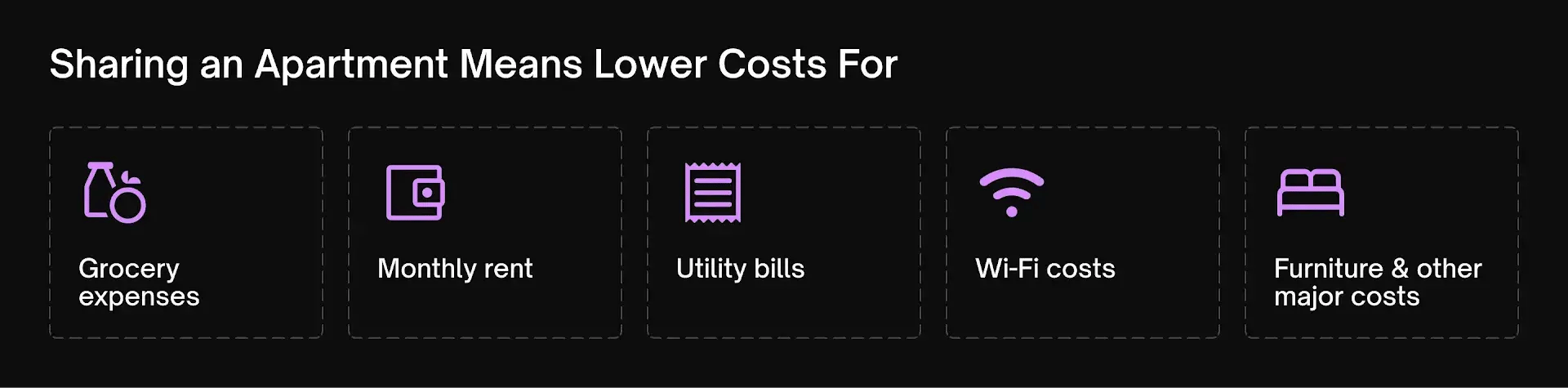
Beyond saving money, shared living can also make university life feel less isolating, especially for students moving to a new city for the first time.
Many students also turn to dedicated student housing platforms connected with their university communities to better understand accommodation choices, compare different living setups, and prepare financially before moving. Resources like the dBs Student Accommodation Portal can help students explore housing options more confidently while planning their transition into university life.
How to Choose the Right Flatmates
Living with friends may sound perfect, but choosing compatible flatmates matters more than simply picking people you know. Clear communication early on can prevent awkward conflicts later. So, before moving in together, discuss things like:
- Cleaning responsibilities
- Shared expenses
- Study schedules
- Guest expectations
- Noise preferences
Setting Shared Expense Rules Early
One of the biggest causes of flatmate tension is unclear money management. Setting basic financial rules from the start can make shared living much smoother.
For example:
- Split bills via apps like Splitwise
- Use free apps to track shared expenses
- Share grocery responsibilities week-wise
- Decide how household items will be purchased
5. Understand Lease Terms Before Signing Anything
Signing a lease without fully understanding the agreement can create unnecessary financial stress later. Many students just rush through the contract because they are excited to just close the deal and secure accommodation. However, taking time to read the details carefully is extremely important. Pay attention to:
- Lease duration
- Deposit policies
- Notice periods
- Damage clauses
- Guest restrictions
- Maintenance responsibilities
Questions Every Student Should Ask Before Signing a Lease
Before finalising an apartment, students should ask questions like:
- What bills are included?
- What happens if I evacuate early?
- How is the deposit returned?
- Are there any extra maintenance chargers?
- Is there a penalty for late payments?
- Do I have to pay for repairs, if any?
Understanding these little details can prevent surprise costs later in the year.
6. Build an Emergency Fund Even on a Student Budget
Saving money as a student can feel difficult, especially when managing rent and daily expenses. However, even a small emergency fund can make a big difference during unexpected situations.
University life often comes with surprise costs such as:
- Medical expenses
- Last-minute travel
- Laptop repairs
- Academic materials
- Emergency utility payments
Without savings, students may end up relying heavily on credit cards or borrowing money under pressure.
Small Saving Habits That Actually Work for Students
Building savings does not always require huge sacrifices. Small habits can slowly create financial stability over time. Even saving a small amount consistently is better than not saving at all. Helpful habits include:
- Save small amount each month
- Cooking at home more often
- Reducing impulse purchases
- Using student discounts
- Stopping unnecessary subscriptions
7. Plan Grocery and Everyday Living Expenses Smartly
Food and daily student living expenses can quietly become one of the biggest parts of a student budget. Dining out or ordering takeaways daily may seem convenient, but you will never know how quickly it becomes expensive and over the budget.
Affordable Student Meal Planning Tips
Meal planning and cooking at home are two of the easiest money-saving tips students can follow. Prepping meals at home reduces food costs while also making daily routines less stressful.
Students can save money by:
- Buying groceries in bulk
- Preparing meals for several days at once
- Choosing store brands over premium brands
- Sharing grocery costs with flatmates
- Avoiding shopping while hungry
Simple meals and organised shopping habits often reduce waste as well.
Smart Ways to Cut Utility Bills
Utility costs can increase quickly if students are not careful. Small lifestyle changes can help lower monthly expenses without affecting comfort too much.
For example:
- Turn off unused lights and electronics
- Avoid excessive heating or cooling
- Use energy-efficient appliances where possible
- Wash clothes in full loads
- Share streaming subscriptions responsibly
These small habits can noticeably reduce monthly bills over time.
Avoid Common First-Apartment Financial Mistakes
Many students overspend during their first few months simply because everything feels new and exciting.
Some of the most common mistakes include:
- Spending too much on decor immediately
- Ignoring contract details
- Choosing expensive locations beyond budget
- Failing to track expenses
- Depending too heavily on credit cards
It is easy to get caught up in social pressure or aesthetic apartment trends online, but practical budgeting usually creates a far less stressful student experience in the long run.
Beyond helping students find accommodation, many student-focused resources provide insights into everyday student life. From budgeting tips and neighbourhood guides to city overviews and relocation advice, these resources can help students feel better prepared for their move and university experience.
Why Early Accommodation Planning Saves Students More Money
Leaving accommodation decisions until the last minute often limits choices and increases financial pressure.
Students who start planning early usually benefit from:
- More accommodation options
- Better pricing flexibility
- Easier budgeting
- Less moving stress
- More time to compare locations and facilities
Early planning also gives students enough time to understand what type of living arrangement works best for their lifestyle and budget.
For universities and student communities, encouraging students to plan accommodation early can also support smoother transitions into independent living. Having access to reliable housing information, budgeting guidance, and local area insights helps students feel more prepared before arriving on campus.
Instead of rushing into expensive decisions close to the start of term, students can make more confident and financially sensible choices.
Finding Student Housing Support and Resources
Searching for student accommodation can feel confusing, especially for first-time renters trying to balance affordability, location, and comfort.
Many students now rely on trusted student housing resources and university-affiliated platforms like the dBs Student Accommodation Portal to better understand accommodation options, compare living preferences, and prepare financially before moving.
For universities and student communities, access to these kinds of resources can support students beyond just finding a place to stay. Having reliable information about student life, local living costs, and housing expectations can make the transition into university life feel far less overwhelming and more manageable.
Conclusion
Renting your first apartment as a student is a major step toward independence, and it is completely normal to feel nervous about managing expenses along the way. The good news is that smart financial habits can make student living far more comfortable than many people expect.
Simple decisions like setting a budget, sharing accommodation, planning groceries carefully, and understanding lease terms can help students avoid unnecessary stress and save money throughout the academic year.
You do not need a huge budget to enjoy university life. Careful planning, realistic spending habits, and a little preparation can go a long way in creating a more balanced and enjoyable student experience.
Over time, budgeting becomes easier, and the financial skills students develop while renting their first apartment often stay useful long after university life ends.
.png?width=290&name=image%20(1).png)