Sampling is one of the most creative and transformative techniques in modern music production. At dBs Institute of Music, we teach our students the art and craft of sampling - but we also want them to understand its rich history and how it’s shaped the music we all know and love today.
You’ve probably heard these tracks countless times, singing along without realising they’re built on the bones of another song. From hip-hop classics to pop bangers, sampling has been the secret ingredient behind some of the biggest hits of the last many decades.
Breaking down the samples
M.E.T.H.O.D MAN - Wu Tang Clan
This Wu-Tang classic is a masterclass in layered sampling. RZA built the beat using samples from Sport by Lightnin’ Rod featuring Kool & the Gang and Functional by Thelonious Monk, but the genius is in how Method Man constructed the hook itself.
He wrote his rhymes after hearing Michael Jackson’s cover of Come Together by the Beatles, basing half of the hook on it, while the “M-E-T-H-O-D” and “MAN” parts of the chorus came from Method of Modern Love by Daryl Hall & John Oates and Music Man by Masta Ace, respectively. It’s a perfect example of how sampling isn’t just about beats - it’s about taking inspiration from multiple sources to create something entirely new.
My Name Is - Eminem
Dr. Dre and Eminem built this breakthrough hit around a bass and electric piano riff from Labi Siffre's 1975 track I Got The… - what makes this story fascinating is the ethics behind it: Siffre, who is openly gay, initially refused permission until Eminem removed homophobic and misogynistic lyrics from the track. After receiving the green light to sample the tune, Eminem and Dr. Dre finished the recording of My Name Is in just one hour on the first day in the studio.
This track is a great example of how sample clearance isn’t just about paperwork; it’s about respecting the original artists and artistic expressions.
Toxic - Britney Spears
Those fierce, serpentine string riffs that make Toxic so instantly recognisable? They’re sampled from Tere Mere Beech Mein by Lata Mangeshkar and S.P. Balasubrahmanyam, from the 1981 Bollywood film Ek Duuje Ke Liye. The original was composed by the legendary duo Laxmikant-Pyarelal and features a melody based on a raga from Indian classical music. Producers Bloodshy & Avant transformed these traditional Bollywood strings into a futuristic pop weapon that defined mid-2000s dance music.
The way the producers isolated just that string hook and built an entirely new sonic world around it is a textbook sampling technique.
Whatcha Say - Jason Derulo
Jason Derulo’s debut single wouldn’t exist without the bridge from Imogen Heap’s ethereal 2005 track Hide and Seek. Producer J.R. Rotem and Derulo picked up Heap’s album in a record store, fell in love with it, and decided to experiment with the sample.
What makes this sample remarkable is how the entire chorus of Whatcha Say is essentially Heap’s bridge (mmm, whatcha say) - making it one of the most prominent samples in pop history. The song topped the Billboard Hot 100 and introduced Imogen Heap’s experimental folk-tronica to mainstream audiences. Heap herself praised the use, calling Derulo “an incredible talent” and saying she was “in love with the song.”
Paper Planes - M.I.A.
M.I.A. and producer Diplo built this iconic anthem around the guitar and bass riff from The Clash’s 1982 punk masterpiece Straight to Hell, but they didn’t just sample it - they added gunshots and cash register sounds that became the song’s signature.
The connection runs deeper than just the music: both songs share the same theme, critiquing how society scapegoats immigrants. The Clash's original mourned shuttered mills in Northern England and the Asian immigrants blamed for economic troubles, while M.I.A.'s version came from her own frustrations with US visa problems and immigration policy.
All members of The Clash were credited as co-writers, and they fully supported the use. The track gained massive traction after appearing in Pineapple Express and Slumdog Millionaire, and its line "No one on the corner has swagger like us" was itself sampled by T.I., Jay-Z, Kanye West, and Lil Wayne for Swagga Like Us. It’s sampling culture coming full circle.
Digital Love - Daft Punk
French electronic legends Daft Punk sampled the guitar riff and chord progression from George Duke’s 1979 funk-jazz track I Love You More to create this futuristic love song. The genius of this sample lies in what Daft Punk did with it: they isolated a brief four-chord guitar intro from Duke’s original and looped it throughout the entire track.
DJ Sneak wrote the lyrics, and Thomas Bangalter revealed that the iconic guitar solo in the second half was created using sequencers and studio equipment to evoke vintage sounds. The track became a blueprint for how to transform a fleeting moment from a funk record into a complete electronic pop masterpiece. It's sampling as alchemy - taking a small piece of musical gold and turning it into something entirely new.
Crazy in Love - Beyonce
That blaring, impossible-to-ignore horn riff comes from The Chi-Lites' 1970 soul track Are You My Woman (Tell Me So), written by the group’s frontman, Eugene Record. Producer Rich Harrison had been holding onto this sample for years, waiting for the right artist to bring it to life. When he first played it for Beyoncé, she was sceptical - in her words, it seemed “too retro” and “no one used horn riffs in the 21st century.”
The sample perfectly captures the samba-style percussion and alternates between B-flat and G major chords, creating that infectious rhythm. Jay-Z came into the studio around 3 a.m. and freestyled his rap verse in about ten minutes. The track launched Beyoncé's solo career into the stratosphere and won Grammys for Best R&B Song and Best Rap/Sung Collaboration. It's proof that sometimes the best samples are the ones producers protect until they find the perfect home.
Hollaback Girl - Gwen Stefani
The Neptunes (Pharrell Williams and Chad Hugo) crafted this marching band-style anthem by layering multiple samples. The track interpolates Queen's Another One Bites the Dust for its bassline groove, samples The Notorious B.I.G.'s Nasty Boy, and incorporates elements from Frankie Smith's 1981 novelty hit Double Dutch Bus for the spelling breakdown.
The track became the first digital download to sell one million copies in the US and sparked endless debates about its actual meaning (Pharrell claimed he heard “Hollaback Girl” from Naomi Campbell). It’s heavily processed and reimagine sampling at its most playful and controversial.
Rapp Snitch Knishes - MF DOOM
DOOM sampled David Matthews’ jazz-fusion cover of David Bowie’s Space Oddity for this underground hip-hop classic. DOOM produced the instrumental himself under his Metal Fingers alias, calling it Coffin Nails, before rapping over it with the mysterious Mr. Fantastik.
The guitar loop from Matthews’ version provides that melancholic, jazzy backdrop that became instantly recognisable in the underground scene. DOOM’s ability to flip obscure jazz-fusion records into raw, unpolished beats is what made him one of the most respected producers in the game. It's a perfect example of DOOM's crate-digging genius and his talent for finding the most unexpected samples.
Strings of Life - Derrick May
One of techno’s most influential tracks is built on an unexpected foundation. Detroit pioneer Derrick May created this 1987 masterpiece after his friend Michael James dropped by and played a piano ballad he’d been working on called Lightning Strikes Twice.
May loaded the sequence into his equipment and transformed it entirely by speeding up the tempo from 80 BPM, chopping it into loops, and adding a string sample along with percussion.
What makes this track remarkable is that it has no bassline whatsoever, yet it became one of the most explosive dancefloor anthems ever created. According to May, when people first heard it, the power and energy were unimaginable. The track topped multiple "greatest dance tracks of all time" lists and has been sampled by countless electronic producers. It's a perfect example of how sampling and creative manipulation can birth an entirely new genre-defining sound.
Victory Lap - Fred again…, Skepta & PlaqueBoyMax
Fred again…’s 2025 collaboration with Skepta and PlaqueBoyMax demonstrates modern sampling at its finest. The track heavily samples Doechii and Rico Nasty’s Swamp Bitches, transforming the original’s aggressive rap energy into a euphoric electronic anthem.
The song was first teased during Fred’s Twitch livestreams before being officially released in June 2025, following an impromptu pop-up at Brooklyn Paramount that drew massive crowds. It earned a Grammy nomination for Best Dance/Electronic Recording, proving that intelligent sampling continues to push music forward. The way Fred again.. flips contemporary rap into dancefloor gold, shows sampling's evolution from its hip-hop roots into the streaming era.
California Love - Tupac
Dr. Dre built this West Coast anthem around the piano and horn riff from Joe Cocker's 1972 blues-funk track Woman to Woman. The sample had already been used by Ultramagnetic MCs in 1988 and EPMD in 1989, but Dre's production took it to another level entirely. The tinkling piano and stinging trumpet sections provide the track's infectious foundation, while Roger Troutman's talk box vocals deliver the unforgettable vocoded chorus.
Tupac wrote his verse in just 15 minutes after arriving at Dre's in-house studio, and the video was shot that same weekend. The track was originally intended for Dr. Dre's Aftermath Entertainment label, but Death Row's Suge Knight heard it and pushed for Tupac to be featured, turning it into Pac's comeback hit after his release from prison. The song topped charts internationally and became a defining anthem of West Coast hip-hop. It's a masterclass in how to take a funky bassline and transform it into gangsta rap gold.
Nikes - Frank Ocean
Frank Ocean’s haunting opener to his critically acclaimed album Blonde uses a drum break sample from The Mohawk’s 1968 funk instrumental The Champ. This drum break has become one of the most sampled in hip-hop history, but Ocean’s use stands out for its subtlety and atmosphere.
Produced by Ocean alongside Om'Mas Keith and Malay Ho, the track features pitched-up vocals that give it an otherworldly quality, while the drum sample appears around the 2:47 mark, adding percussive depth to the minimalist production. Ocean's ability to take this heavily used sample and create something completely fresh and emotionally resonant shows masterful production. The track's sparse, reverb-heavy arrangement lets the sample breathe, proving that sometimes less is more when it comes to sampling.
Ride on Time - Black Box
This Italian house classic became one of the most controversial sampling stories in dance music history. Black Box (Daniele Davoli, Mirko Limoni, and Valerio Semplici) heavily sampled Loleatta Holloway's powerful vocals from her 1980 disco hit Love Sensation, written and produced by Dan Hartman. The catch? They didn't clear the sample with Holloway or Hartman, and Davoli genuinely believed Holloway had died and that sampling less than two seconds without permission was legal.
When Holloway discovered the track while very much alive, she was furious, not only about the money, but seeing someone else get credit for her vocals. Legal action followed, and BMG had to scramble to re-record the vocals. They brought in an unknown session singer (later revealed to be Heather Small, who would go on to front M People) to replace Holloway's parts within 24 hours. Both versions exist: the original with Holloway's raw, powerful vocals, and the sanitised version with Small's soundalike performance.
Eventually, Holloway received an undisclosed settlement, and the group credited her as a featured artist on later pressings. It's a cautionary tale about the importance of sample clearance and respecting the original artists whose work you're building upon.
21 Questions - 50 Cent
Built around a sample from Barry White’s 1978 soul classic It’s Only Love Doing Its Thing, this track showed 50 Cent’s vulnerable side while maintaining his street credibility. Producer Dirty Swift looped the lush string arrangement and smooth bassline from White’s original, creating a laid back G-fuck influenced beat that contrasted sharply with the aggressive gangsta rap dominating the rest of Get Rich or Die Tryin’.
Interestingly, Dre initially objected to the song being on the album at all, asking how 50 could be hardcore one minute and release "this sappy love song" the next. But 50 Cent successfully argued for its inclusion, stating he represented different sides of himself out of necessity. The track topped the Billboard Hot 100 for four consecutive weeks, becoming 50's second number one hit after In da Club. It's proof that sampling Barry White's romantic depth can give even the hardest rappers room to show their softer side.
Notable mention: the Stevie Wonder effect
It's worth noting that Stevie Wonder might be the most sampled artist in hip-hop history. From Pastime Paradise (sampled by Coolio in Gangsta's Paradise) to Living for the City (sampled by dozens of artists), Wonder's catalogue has been a goldmine for producers since the birth of hip-hop.
His complex arrangements, killer basslines, and soulful melodies make him the perfect source material. Hopefully, he's getting those royalty cheques.
Why this matters for music producers
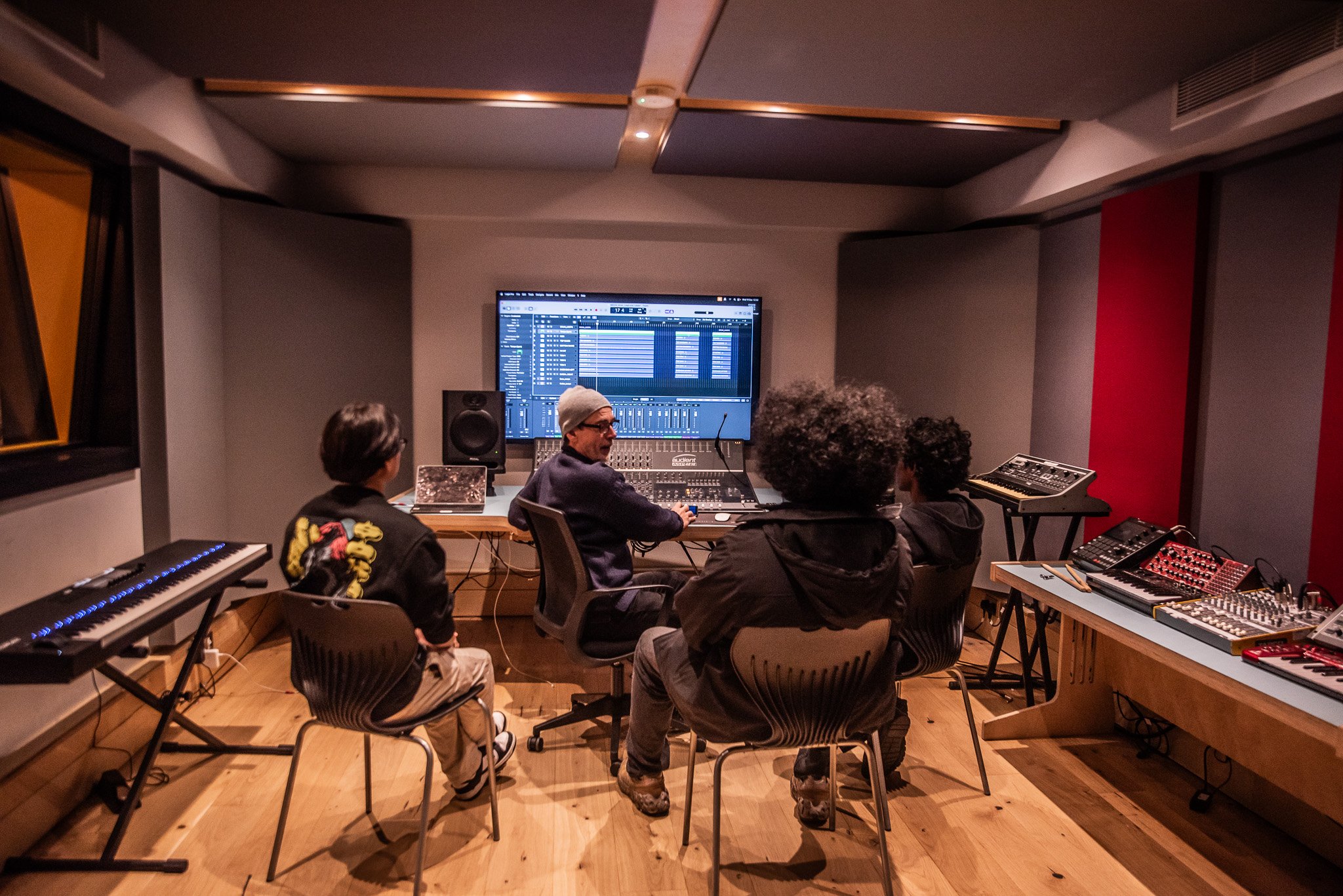
At dBs Institute of Music, we teach our students that sampling isn't just about finding a cool loop; it's about understanding music history, respecting copyright law, and transforming existing material into something fresh and original. These 15 tracks show that the best samples are the ones that add something new while honouring what came before.
Whether you're studying with us in Manchester, Bristol, or Plymouth, learning the art of sampling is essential for any modern producer. It's not just a production technique; it's a way of having a conversation with music history.
Want to learn more about sampling, production techniques, and how to craft your own hits? Check out our music production courses and see how we can help you develop the skills to make your mark on the music industry.
SHARE NOW