.webp?width=300&name=IMG_3340%20(1).webp)
Two of the most creatively compelling careers in the audio industry often get used interchangeably, and whilst sound design and music production share common ground, the same tools, the same fundamental love of sound, they are distinct disciplines that lead to very different working lives. Understanding the difference matters whether you are trying to choose between them as a career path, trying to understand the roles on a professional project, or simply trying to figure out which one reflects the kind of work you actually want to be doing.
Here is a clear breakdown of both, what they share, where they diverge, and how to work out which direction is right for you.
What is a sound designer?

Sound design is the art and craft of creating, shaping and manipulating audio to serve a specific purpose within a larger work. Sound designers build the sonic worlds that underpin film, television, video games, theatre, installations and virtual reality experiences. Constructing everything from the ambient texture of a scene to the precise sound a fictional weapon makes when it fires.
A sound designer working in film might be responsible for recording foley alongside sourcing, editing and layering hundreds of individual audio elements to create a finished soundtrack. In video games, the challenge shifts entirely: creating audio that responds dynamically to player behaviour, loops seamlessly in real time, and works within the technical constraints of a game engine.
What is a music producer?
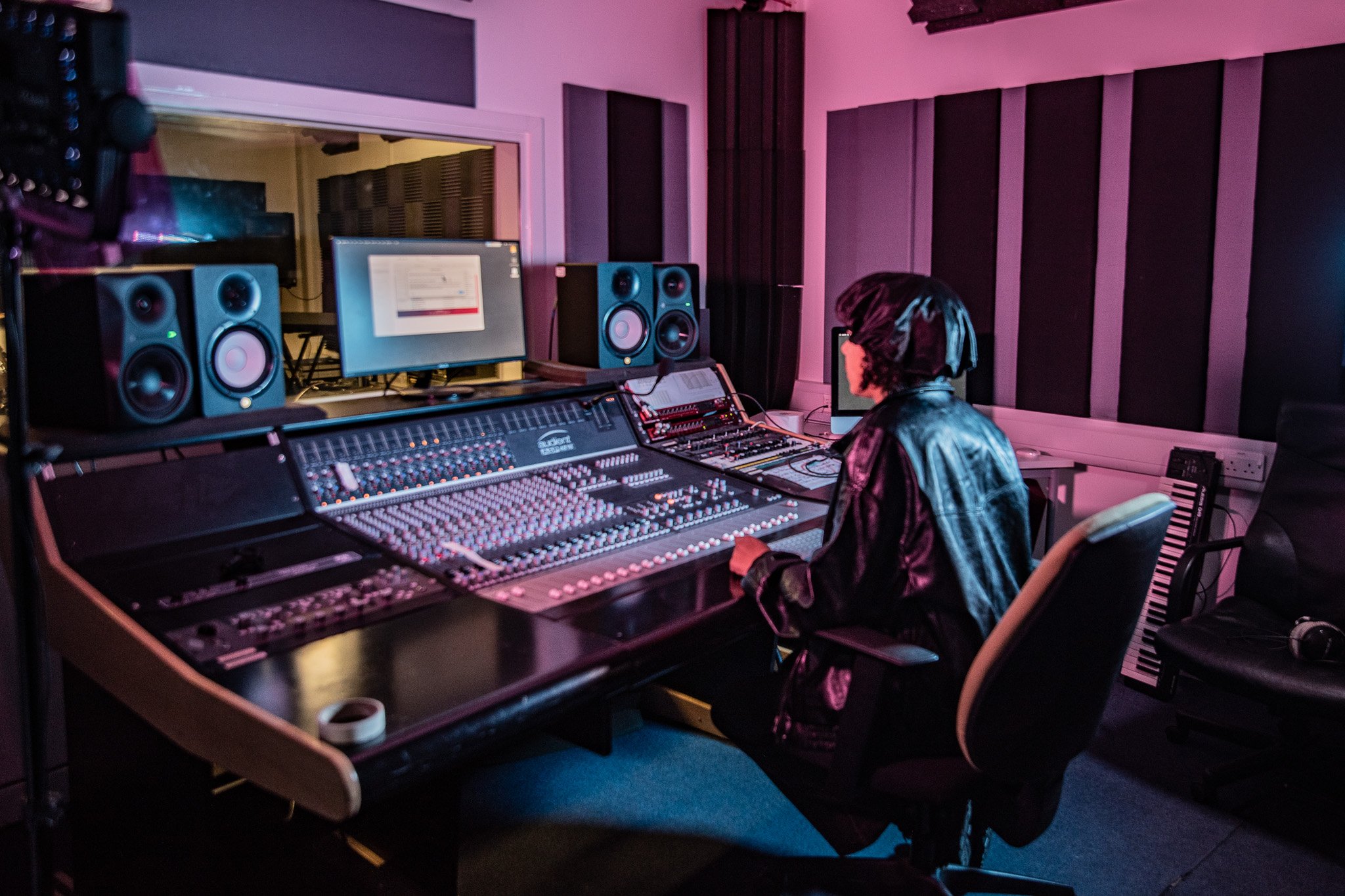
A music producer is the person responsible for overseeing the creation of a piece of recorded music from initial concept through to finished master. At the heart of the role is the ability to translate a musical idea into a finished recording - whether that means working with a live band in a studio, making decisions about arrangement and performance, or building a track entirely in a DAW from scratch through programming beats, designing sounds and layering samples.
Producers also play a significant role in developing artists, the best producer-artist relationships are genuinely collaborative. The producer brings an outside perspective, a breadth of musical knowledge and a set of technical skills that help the artist realise something they might not have reached alone.
The similarities between a sound designer and a producer
The overlap between these two disciplines is real, and it is worth taking seriously before diving into the differences. Both roles are built on a foundation of audio expertise: an understanding of how sound is captured, processed and reproduced, and a working knowledge of the tools used to do it. A music producer and a sound designer both spend significant time in a DAW, both understand signal flow and audio processing, and both develop highly trained ears through years of close, critical listening.
Both roles also involve a deep creative investment in the work; sound design requires imagination, aesthetic judgement and the ability to make decisions about how a piece of audio should feel, not just how it should function. Music production demands exactly the same combination of technical skill and creative instinct. In both cases, the finished product is the result of hundreds of small decisions, each of which shapes the experience of the person listening.
Synthesisers, samplers, audio editors, effects processors and DAWs like Ableton Live, Logic Pro and Pro Tools are central to both disciplines, and a working familiarity with these platforms is useful whether you go in the direction of production or design.
The differences between both careers
For all their shared foundations, sound design and music production lead to genuinely different professional lives.
The output is fundamentally different
- A music producer's primary output is music: tracks, albums and singles intended to be experienced as standalone pieces of recorded sound.
- A sound designer's output is always in service of something else: a film, a game, a theatrical production, supporting a larger creative project rather than being the primary product itself.
The industries are different
- Music producers work within the music industry, building relationships with artists, labels and A&R teams.
- Sound designers work across a much wider range of sectors: film and television, video game development, theatre, advertising and interactive media - building relationships with directors, game developers and post-production studios instead.
The workflow and timeline are different
- Music production is often collaborative from the earliest stages, built around sessions that generate material organically.
- Sound design in post-production is typically a later-stage process - the sound designer arrives once the picture is largely locked, working within a defined brief and a strict delivery schedule. Game audio works differently again, with designers embedded in development teams for extended periods, iterating alongside the project as it evolves.
The technical specialisms diverge
- Sound design develops specific knowledge of game audio middleware like Wwise, of audio-for-picture workflows, of spatial and immersive audio formats, that sits outside what most music producers need.
- Equally, a producer's deep understanding of song structure, arrangement and the commercial landscape of recorded music is specialist knowledge that many sound designers may not require.
How to choose between a sound designer and a music producer
For many people drawn to audio as a career, both disciplines hold genuine appeal, and that is not a problem to be solved so much as a question to be explored honestly. The most useful starting point is not the job title but the work itself: which kind of output excites you more? Do you find yourself most engaged when you are making music, building a track, working with an artist, shaping a mix? Or when you are constructing a sonic world that serves a larger creative project, whether that is a film scene, a game environment or a theatre production?
It is also worth thinking about the industries and working environments that appeal to you. A career in music production places you firmly within the music industry, with all of the energy, unpredictability and cultural immediacy that entails. A career in sound design opens doors to a much wider range of industries and with them, a more varied set of clients, collaborators and projects, often with more structured workflows and, in some cases, more reliable income streams, particularly in games and post-production.
Your existing skills and instincts are a useful guide too, if you find yourself approaching new software by exploring its synthesis capabilities and building original sounds from scratch, sound design may be where your instincts already live. If you find yourself building tracks, thinking about arrangement and structure, and drawn to the craft of recorded music, production is the more natural fit. Many people discover, through study and practice, that the answer is somewhere between the two, and the most interesting careers are often built in that space.
Studying at dBs Institute of Music
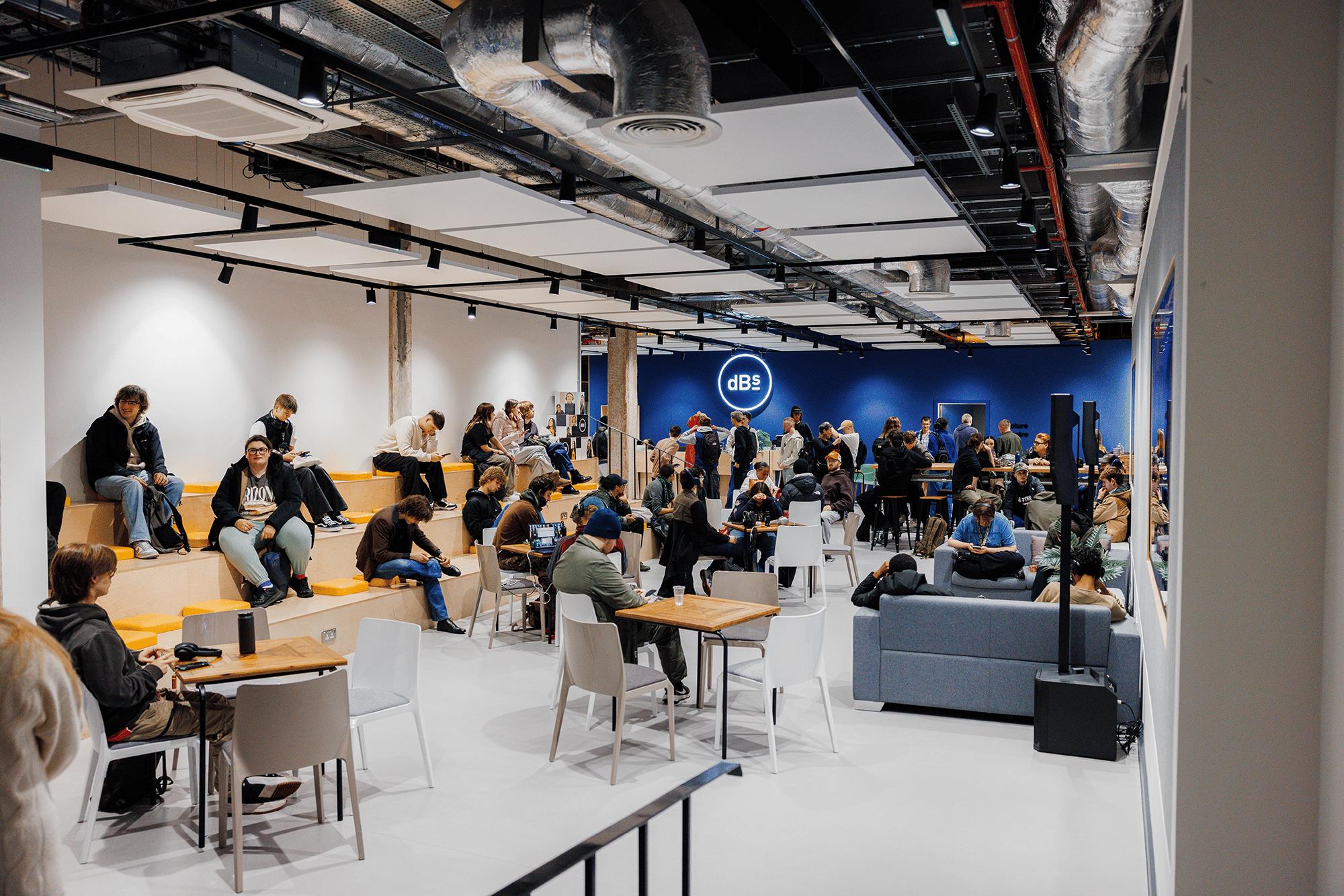
Understanding which direction is right for you is much easier when you have access to professional environments, working tools and tutors who have built real careers in both fields. At dBs Institute of Music, we offer industry-focused degree-level courses across music production, music and sound for film and game, and sound engineering and electronic music that give you the technical foundations and creative development to build a career in either discipline - or both.
Our BA (Hons) Music Production and Sound Design and BA (Hons) Music and Sound for TV & Game courses are taught by working professionals in studios equipped to industry standard, across our campuses in Bristol, Manchester and Plymouth. For those further along in their practice, our MA Music Production offers advanced study with the flexibility to keep working whilst you learn.
We run regular Open Days at all three campuses so you can visit the facilities and experience dBs!