

Every great record you have ever loved was shaped by someone you probably don't know. Behind the artist, behind the performance, behind the song, there is a studio engineer.
They are the people who make a vocal take sound as it belongs on the radio, who balance a forty-track session into something that works through earbuds on a commute and through speakers at a festival. They are technically precise, creatively fluent, and absolutely essential to the sound of recorded music.
It is one of the most rewarding careers in the music industry. So here is what a studio engineer actually does, what the day-to-day looks like, and how you can build a career doing it.
The different roles within studio engineering
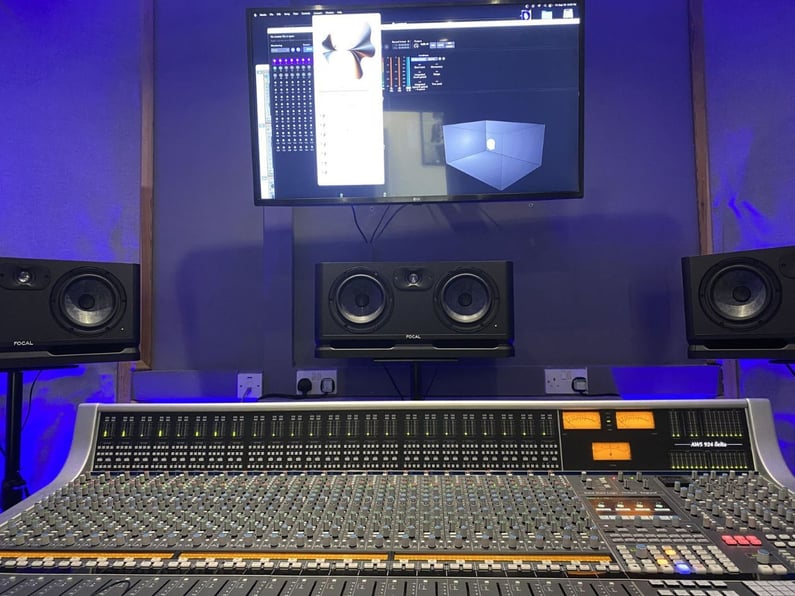
Studio engineering is not a single job. It is a collection of distinct roles that often overlap, and understanding the difference between them is the first step to understanding the profession. We have put together a list of these roles and what they involve.
Assistant Engineer
The assistant engineer is the backbone of any studio session. Their role is to keep everything running smoothly, from setting up microphones and running cables before a session starts, to making sure the client is comfortable and the main engineer has everything they need. It is a hands-on, on-call role that requires equal parts technical knowledge and people skills. Most of the engineers who reach the top of the profession started here.
Recording Engineer
The recording engineer is responsible for capturing the sound that goes into every track. They choose the microphones, decide on placement, set the levels, and operate the digital audio workstation (DAW) throughout the session. Their job is to ensure that every take is recorded at the quality the producer needs, which means making technical decisions quickly and confidently, often under pressure.
Mix Engineer
Once the recording is done, the mix engineer takes over. Their job is to process and balance all of the recorded or synthesised audio, adjusting levels, applying EQ and compression, adding effects, until it becomes a finished piece of music ready to be sent for mastering.
Producer
The producer sits across the whole process, they provide artistic direction, collaborate with the artist on the music itself, and take responsibility for the overall vision and quality of a project. Some producers are hands-on engineers who do everything themselves; others work in a more consultative capacity, bringing in specialists for recording and mixing.
As Jay Auborn, Musician, Producer and Creative Director of dBs Pro, puts it: "The producer role - everyone's got a different take on what it means and encompasses. It can be about sound engineering or working with musicians, writing the music, fixing sessions... it can cover a whole manner of things, essentially to get the idea captured and taken all the way to being out there in some shape or form."
What does a typical day look like?
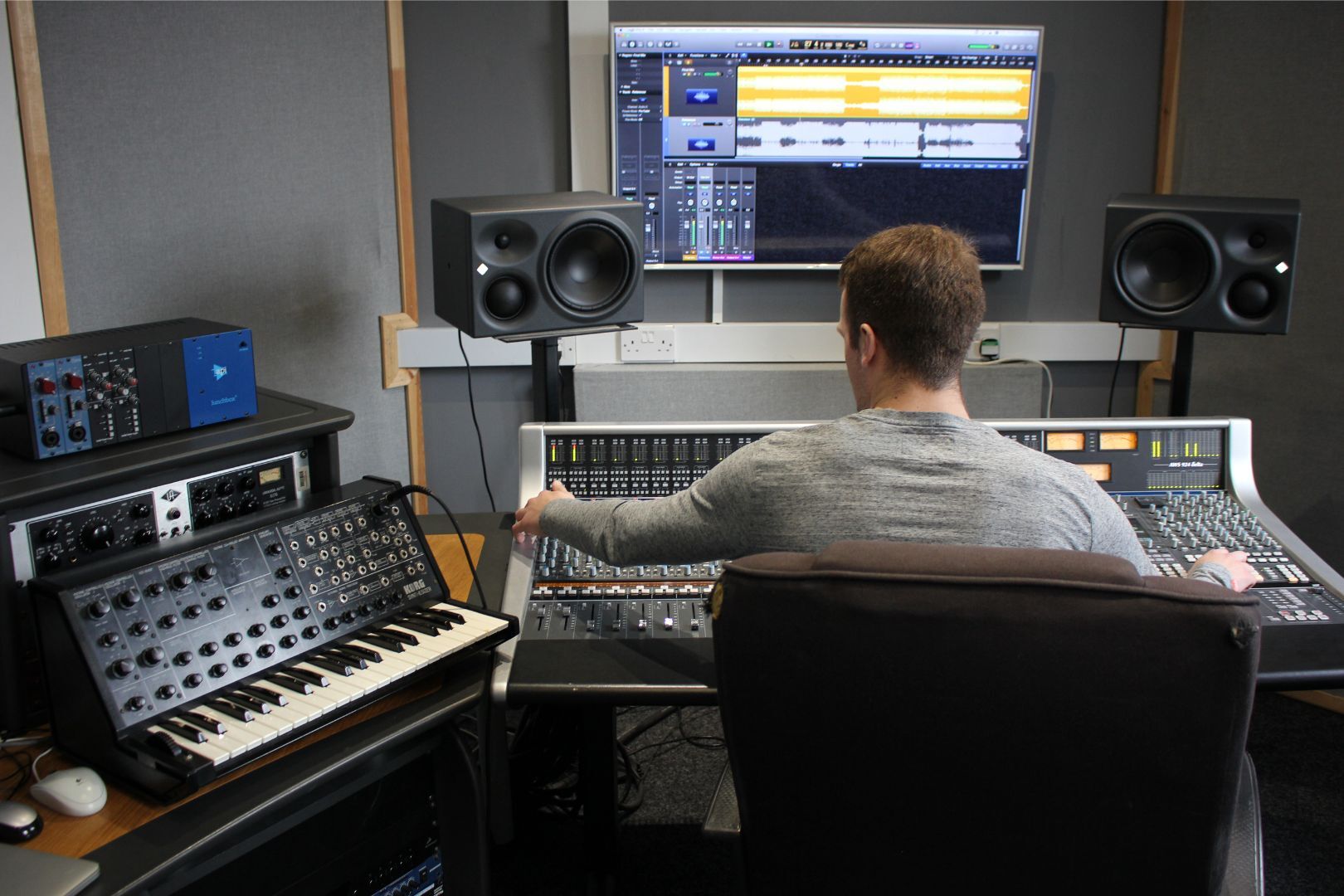
The honest answer is that there is no typical day, and it largely depends on your role within the studio. An assistant engineer's day looks entirely different to a mix engineer's, which looks different again from a producer's. That variety is a large part of what makes the profession so appealing to the people drawn to it.
Recording sessions often run for twelve hours, though that varies depending on the artist and the project. Before the music can be recorded, the assistant engineer will have been in to set up: position microphones, test signal chains, and get the room ready. Once the session begins, the recording engineer is at the DAW for the duration, making decisions about equipment and capture quality in real time.
Mix engineers work to a similar schedule, but their days are spent in a different kind of focus, alone or with the producer, processing audio, making hundreds of small decisions that accumulate into the sound of a finished record.
Where can a career in studio engineering take you?
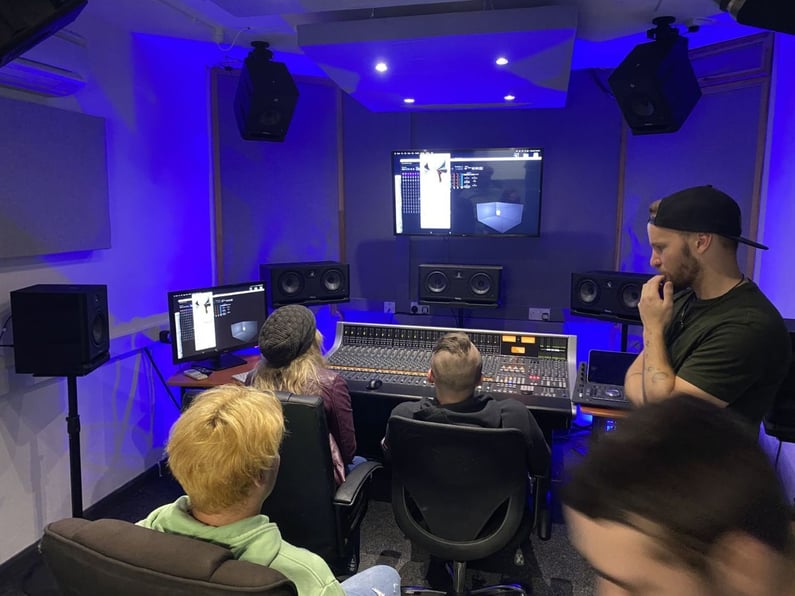
Most studio engineers begin as assistants, learning the environment, the equipment and the people before progressing into recording and mix roles. From there, the trajectory is largely driven by reputation - and reputation is built one session at a time.
As your skills develop and your network grows, so does the quality of the work that comes your way. At the top of the profession, sought-after producers and mix engineers work with the world's biggest recording artists, command significant fees for their services, and are chosen specifically because of the sound and sensibility they bring to a project.
Freelance work is also a significant part of the landscape, particularly earlier in a career. Many engineers take on assistant, recording, and mixing roles across different projects as they build their portfolios and contacts.
It is also worth noting that the modern music industry creates space for studio engineers who work across commercial facilities and home studios. In electronic music especially, many artists take on all of the engineering roles themselves. That said, the vast majority of popular music continues to be made in professional studio environments, where the distinct roles and career progression described here remain very much in place.
How do you become a studio engineer?
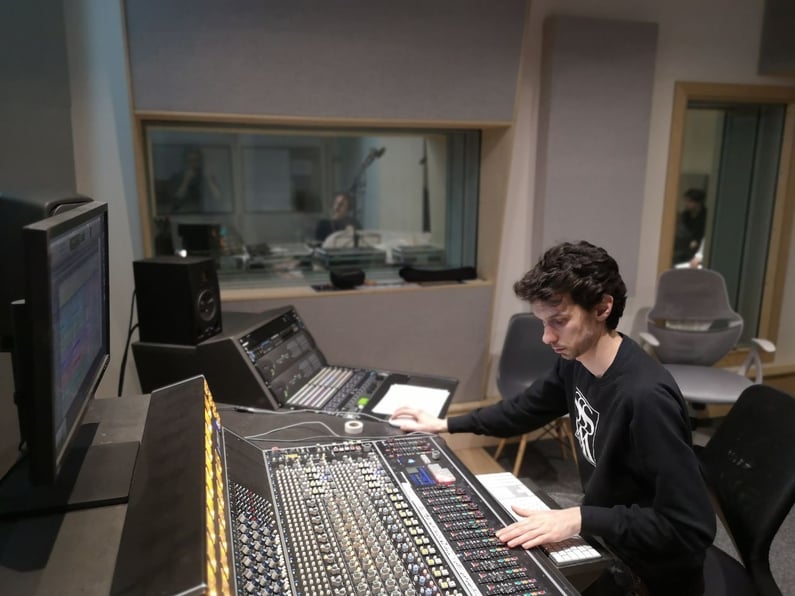
Reputation is the currency of this profession, and reputation is built through doing the work, networking, and getting involved in the community. In the early stages of a career, that means practising on your own music, recording and mixing for other artists at a local level, and saying yes to as many opportunities as possible, including unpaid ones, where they offer genuine learning and connection.
Getting into studios is crucial, with internships and assistant roles, even short ones, giving you access to professional environments, professional equipment, and the people who can open doors later in your career.
Networking is not an optional extra in this industry. As Jay Auborn, Creative Director of dBs Pro, observes, "90% of the work I do is with people I have worked with or associated with previously. That's how I find new pieces of work as well, through the connections I make with people while working on projects with them."
By studying studio engineering at a degree level at a specialist University, you will be surrounded by like-minded people, being taught by working professionals who are specialised in the career you’re after, and having the opportunity and confidence to start working on your own projects.
Studying studio engineering at dBs Institute of Music
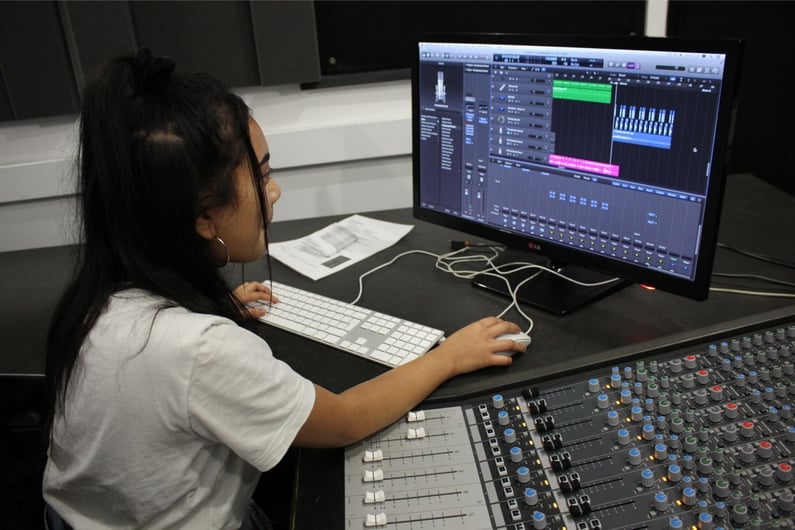
The quickest way to build the skills, the knowledge and the professional network you need is through structured, industry-focused education taught by people who have done the job themselves.
At dBs Institute of Music, our BA (Hons) Music Production and Sound Engineering degree gives you access to industry-standard mixing consoles, hardware effects and microphones, and is taught by working professionals who have built real careers in studio production and engineering. You will develop your own personal workflow, your technical skills and your creative voice across three years of hands-on, industry-connected study.
If you are not yet ready for degree-level study, our Access to HE: Music Production diploma is the ideal place to start, building your mixing, mastering and production skills using professional equipment, and setting you up for the next step.
Come visit us on one of our open days to get a feel for the campus and facilities!
SHARE NOW: