

Every live music experience you have ever had, every festival set that felt perfectly timed, every club night that ran without a hitch, every arena show where the lights hit at exactly the right moment, was the result of a significant amount of invisible work. The people responsible for that work are event managers, and without them, live music simply does not happen.
It is a career that demands an unusual combination of creative thinking, logistical precision and the ability to stay calm when things go wrong, because in live events, something always goes wrong. But for the people drawn to it, there is very little in the music industry that comes close to the feeling of delivering an event that genuinely works.
Here is what music event managers actually do, what the role requires, and how you can build a career in it.
What is a music event manager?
.jpg?width=2048&height=1367&name=DSC_5137%20(1).jpg)
An event manager in the music industry is the person responsible for turning an idea into a live experience. They sit at the intersection of creativity and logistics, overseeing every element of an event, from the initial concept and venue selection through to production, artist management, marketing, staffing and the moment the last person leaves the site.
The role exists across an enormous range of contexts, such as working on a 500-capacity club, a regional festival, a stadium tour, a corporate showcase or a one-off charity event. The scale varies, the budgets vary, the pressures vary, but the fundamental responsibility stays the same: to deliver an event that meets its creative and commercial objectives, safely, and on time.
Event managers in the music industry work across a variety of settings: some are employed directly by venues or promoters, while others work for event production companies that are brought in to deliver specific projects, and others work independently, building a freelance career across a range of clients and events.
The typical duties of an event manager
The scope of an event manager’s role is wider than most people outside the industry appreciate. Across a typical project, their responsibilities will span planning, production, artist liaison, marketing, on-site operations and post-event review - often simultaneously, and often under significant time pressure.
Planning and logistics of events
Every event begins with a plan, and building that plan is where an event manager spends much of their time in the early stages of a project. This means identifying and securing the right venue, negotiating contracts, building a realistic budget, mapping out a production timeline and beginning the process of pulling together the team of suppliers, contractors and staff who will deliver the event.
Logistics at this stage involve a level of detail that can be genuinely daunting: venue capacities, licensing requirements, health and safety compliance, insurance, accessibility provisions, load-in schedules, power requirements, stage specifications, all of it needs to be considered, confirmed and documented before a single ticket is sold.
The event managers who handle this stage well are the ones who combine thorough preparation with enough flexibility to adapt when things change, which they invariably do.
Artist and production management
Once the lineup is in place, the event manager becomes the central point of contact between the artists, their management teams and the production operation. This means working with artist riders, the technical and hospitality requirements that every performing artist brings to an event, and ensuring that everything from stage times and sound checks to dressing room arrangements and transport logistics is coordinated and confirmed.
On the production side, the event manager works closely with the technical production team: the sound engineers, lighting designers, stage managers and riggers who build and operate the physical infrastructure of the event.
Understanding what each part of the production team needs, and ensuring those needs are met within the constraints of the budget and the venue, is a core part of the role, and one that requires a working knowledge of live production that develops over time and through experience.
Marketing and promotion
Delivering a great event is only part of the job; getting the people through the door requires a marketing strategy, and in most cases, the event manager plays a central role in developing and executing it. This means working with the promoter and any external marketing or PR teams on the event's identity, its ticketing strategy, its social media presence and its broader communications, making sure that the event reaches the right audience and that the messaging around it accurately reflects the experience it is going to deliver.
Currently, in the digital world, digital marketing is central to how live music events are being promoted, and event managers with a working understanding of social media strategy, email marketing and digital advertising are increasingly valuable. At the same time, traditional relationships with local press, radio stations and music communities still remain genuinely important, particularly for independent and grassroots events.
Executions and on-site operations
Everything that has been planned and prepared comes down to event day, and this is where the role becomes most visible and most intense. The event manager is on site from the earliest point of the day, overseeing load-in and build, managing the production schedule, coordinating the team, handling the inevitable last-minute issues and ensuring that every element of the event is ready when it needs to be.
Once doors open and the event is live, the event manager's role shifts to monitoring and responding, keeping the schedule on track, managing any incidents that arise, liaising between departments and making sure that the experience being delivered matches the one that was planned. When an event runs smoothly, it is because someone with a very clear head and a very good plan was managing it throughout. When it does not, it is the event manager who finds the solution.
After the event, the work continues: supervising the de-rig, managing the settlement of financial accounts, gathering feedback and conducting a thorough review of what worked and what could be improved.
The skillset needed for the music industry
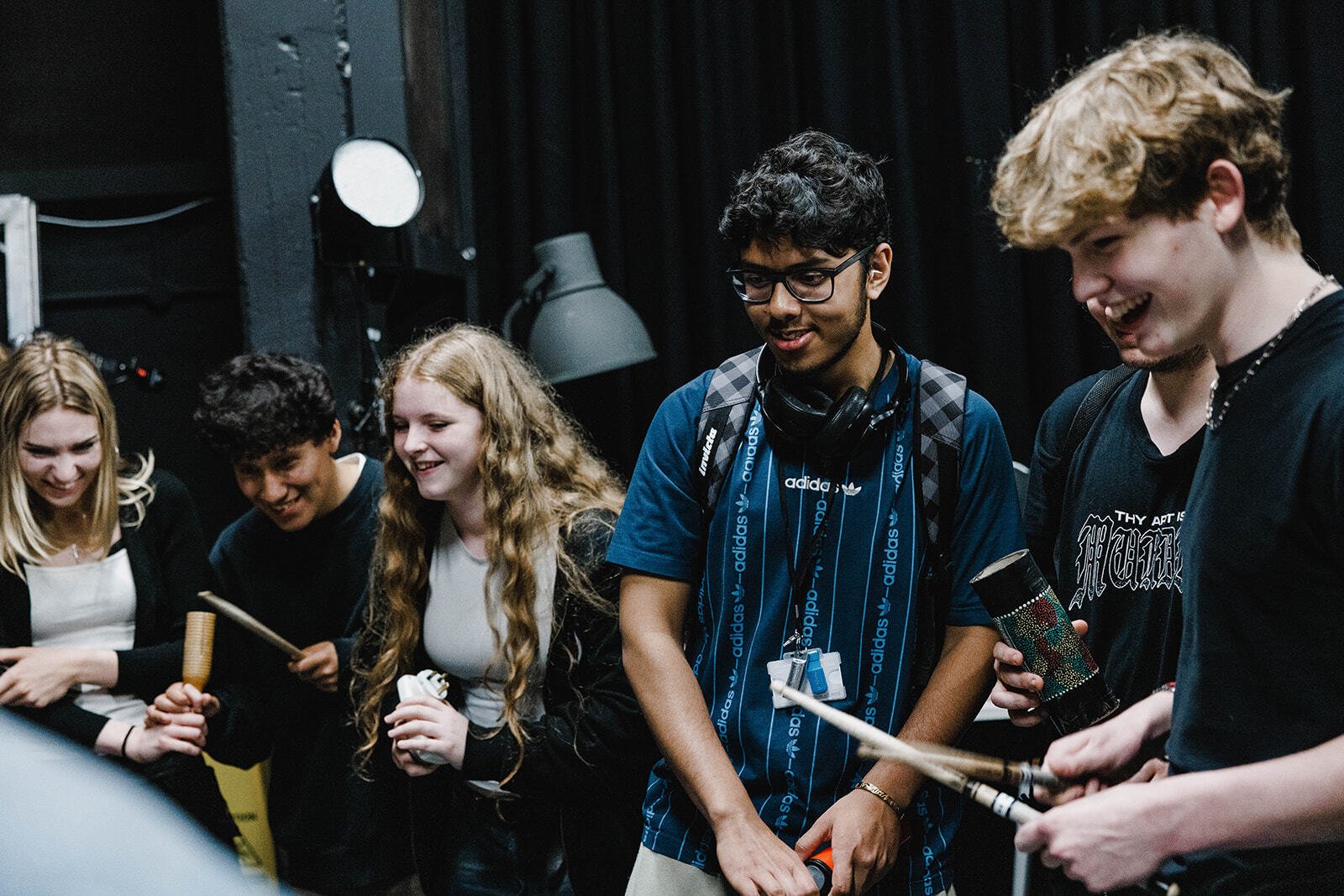
Event management in the music industry demands a wide range of skills, and the professionals who thrive in it tend to be as comfortable with a spreadsheet as with a stage plan, and can switch between strategic thinking and practical problem-solving without losing their composure.
- Organisation and attention to detail are non-negotiable. An event is made up of hundreds of moving parts, and the ability to keep track of all of them, to notice when something is missing, when a deadline has slipped, or when a supplier has not confirmed, is fundamental to delivering anything successfully.
- Communication and relationship management sit at the heart of the role. Event managers are constantly moving between artists, agents, venue staff, production crews, sponsors, marketing teams and the general public.
- Budget management is a core competency that is easy to underestimate until something goes wrong. Building an accurate event budget, tracking expenditure in real time and making sensible decisions when costs need to be cut or reallocated.
- Adaptability and problem-solving are perhaps the most important qualities of all, because no event goes exactly to plan.
- Knowledge of the music industry - how it is structured, how artists and their teams operate, what venues and promoters need from each other, how ticketing works, what a production rider entails - is what separates a good event manager from a great one.
How to get into event management for the music industry
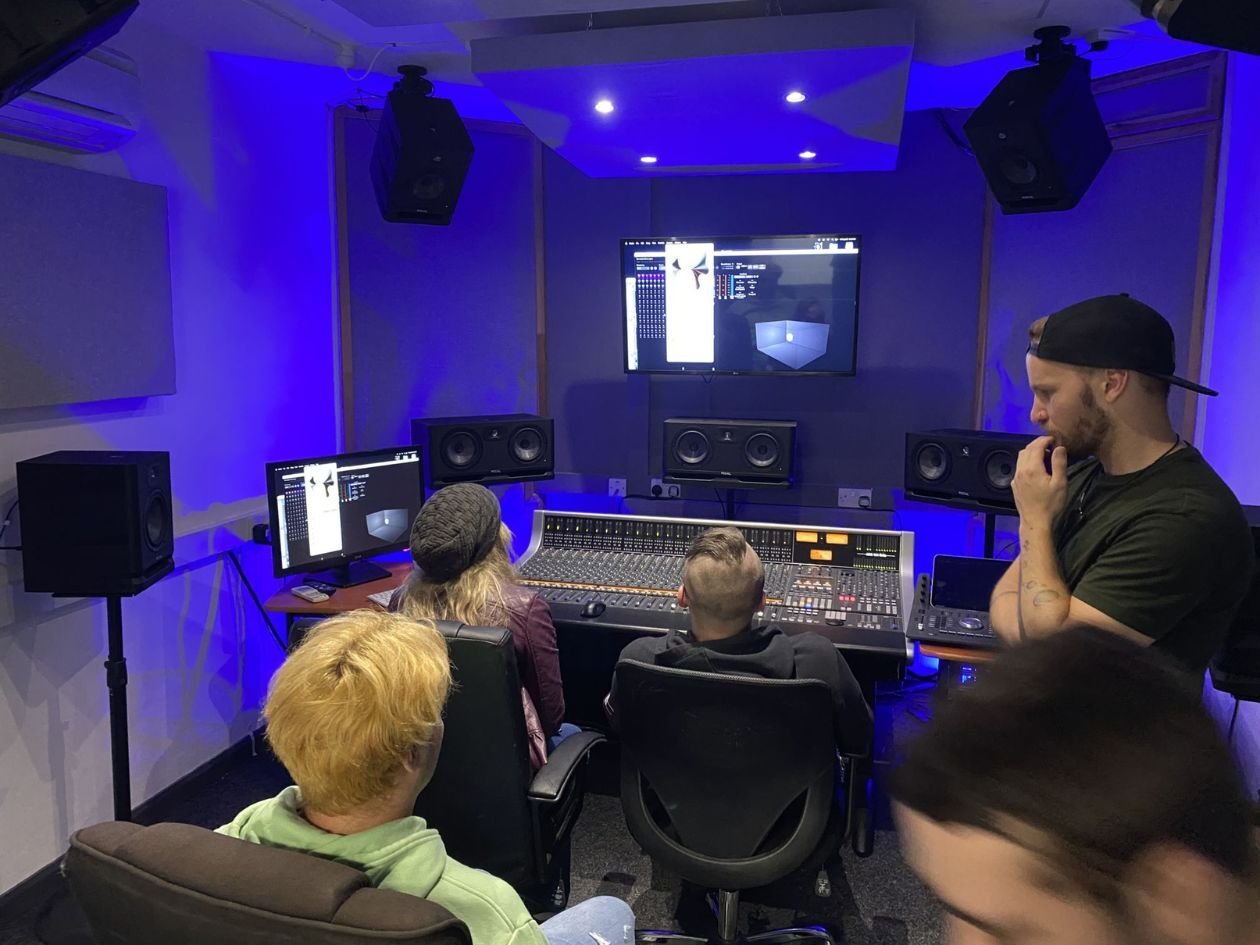
There is no single route into this career, and the variety of contexts in which event managers work means that experience can be built in many different ways.
What the people who build successful careers in this space tend to have in common is a combination of relevant education, hands-on experience and a willingness to start at the bottom and work their way up.
Volunteering at local events, festivals, and music nights is one of the most accessible starting points. Many festivals and independent promoters rely on volunteer teams to deliver their events, and the experience of working on an event, even in a supporting role, teaches you things that no classroom can replicate. Start somewhere, pay attention to everything, and treat every opportunity as a chance to build your knowledge and your network.
Internships and entry-level roles at venues, promoters and production companies are the next step for many people entering the industry. Getting into a professional environment, working alongside experienced event managers and production teams, and building relationships with the people who make decisions in this industry will accelerate your development considerably.
Formal education is also genuinely valuable. Understanding the music industry in depth, how it is structured, how rights and revenues work, how live events fit into the broader commercial picture, is not something you can pick up entirely through trial and error. A degree-level programme that combines music industry knowledge with practical event management skills gives you both the theoretical foundation and the hands-on experience that employers are looking for.
Study music event management at dBs Institute of Music
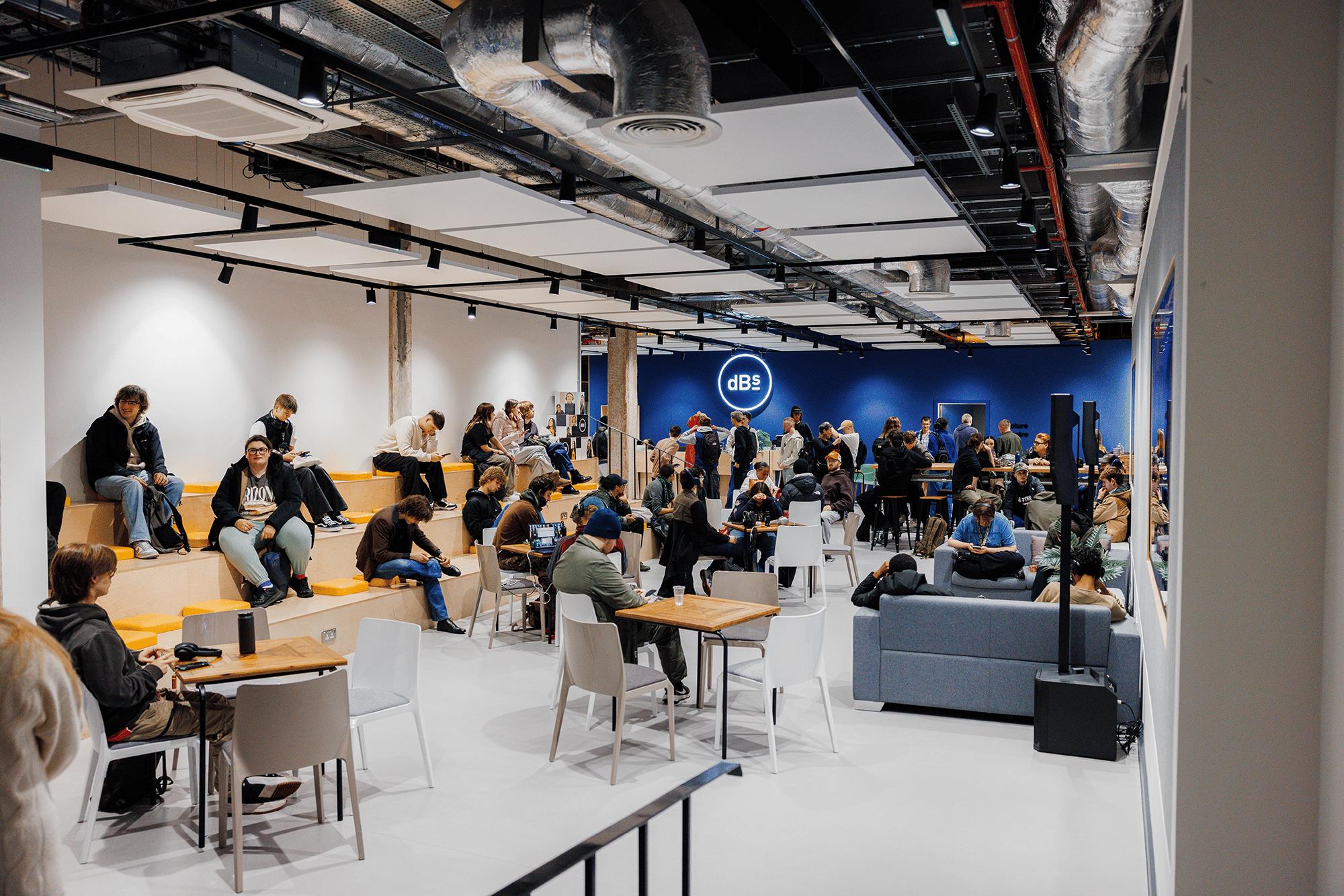
At dBs Institute of Music, we offer industry-focused degree programmes designed to prepare you for a professional career in music and live events. Our BA (Hons) Live Sound and Event Management and BA (Hons) Music Production and Event Management combine technical knowledge and creative practice with a thorough grounding in the skills event management professionals actually need, taught by people who have worked in the industry they teach.
We run regular Open Days across all three campuses, or you can book a campus tour at any time to see the facilities and speak to the team.