The idea that you have to wait until after graduation to start building a music career is one of the most persistent myths in music education, and one of the most damaging. The students who go on to build the most sustainable careers in music are rarely the ones who kept their heads down for three years and emerged blinking into the industry at the end of it.
Why starting early matters

Building a music career takes time, not just to develop the skills, but to build the reputation, the network and the body of work that generates consistent opportunities.
Every month you spend actively working in music whilst studying is a month of professional experience that your peers who waited will not have. The contacts you make, the projects you complete, the clients you work with, and the problems you solve are all building something that no qualification alone can give you.
Finding ways to generate income from your skills, rather than from a part-time job that has nothing to do with the career you are building, means that the hours you spend working are also hours spent developing your craft, your profile and your professional reputation. That is a much better use of your time, and it compounds over the course of your studies in ways that can be significant by the time you graduate.
Freelance music production and mixing
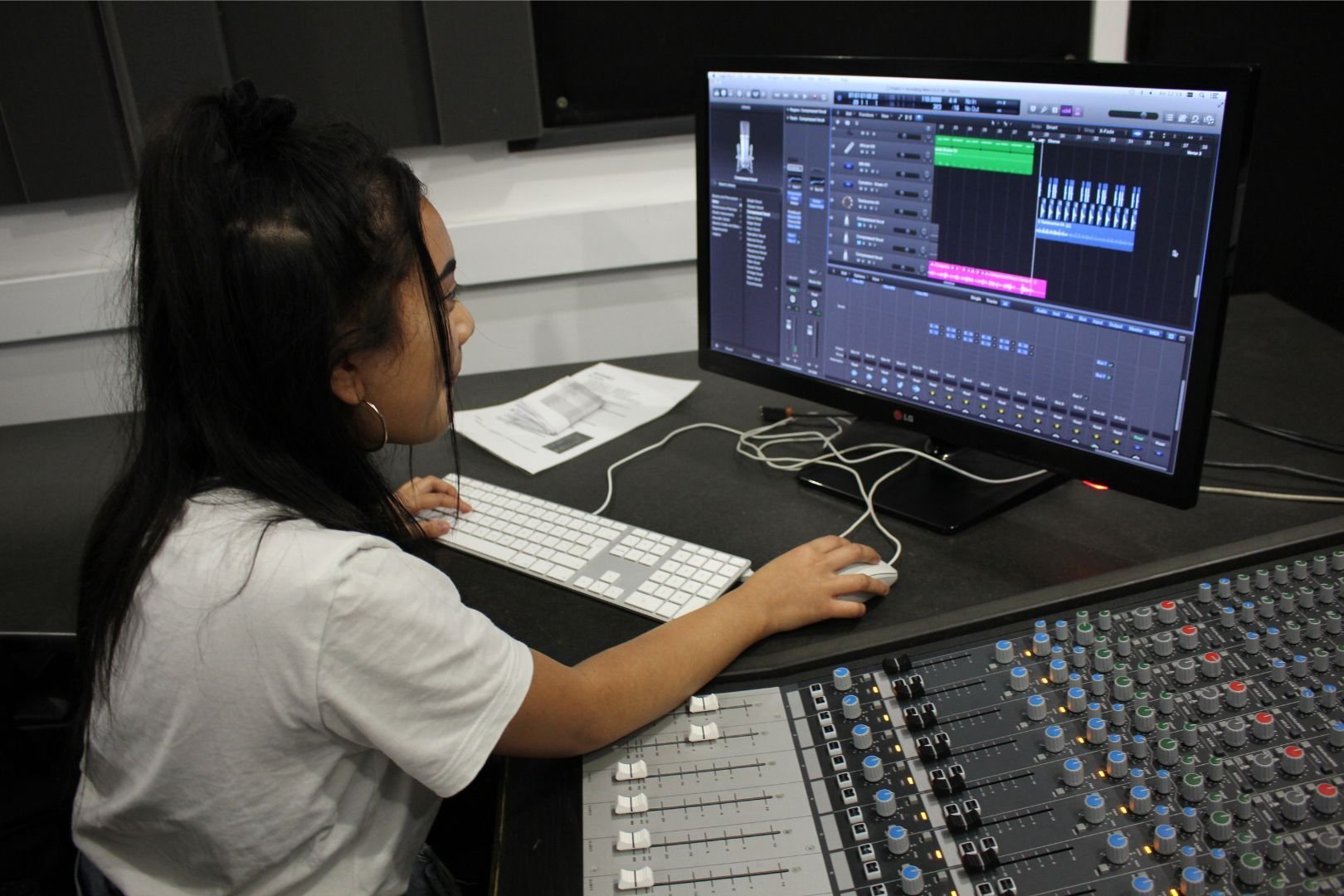
One of the most accessible routes to income during your studies is offering music production and mixing services to other artists. As your skills develop, and they develop quickly in a structured, hands-on learning environment, there will be musicians, bands, content creators and small businesses in your local area and online who need the kind of work you are becoming capable of producing.
Starting within your immediate community is the most natural entry point. Other students, local artists, bands playing the circuit in your city, all of these are potential clients for someone who can record, produce and mix to a professional standard. The rates you can charge will increase as your portfolio grows and your reputation develops, but even at the early stages, offering your services at accessible prices in exchange for testimonials, portfolio pieces and ongoing relationships is a sensible way to build the foundations of a freelance practice.
Platforms like SoundBetter and AirGigs connect producers and mix engineers with clients from around the world, and building a profile on these platforms, even early in your career, gives you access to a much wider market than your immediate network alone can provide. The key is to be honest about where you are in your development, to deliver work you are proud of, and to treat every client as a long-term relationship rather than a one-off transaction.
Performing and DJing live

Live performance is one of the most direct routes to income in music, and one that is entirely available to you whilst you are studying. Whether you perform as a solo artist, as part of a band, or as a DJ, building a live presence during your studies gives you performance experience, exposure and with the right bookings, a meaningful income stream.
The venues, promoters and nights in your city are the most accessible starting point, and developing relationships with the people who run them, by attending events, introducing yourself and following up, is how most artists get their first bookings. Once you have a track record of reliable, engaging performances, those relationships open doors to better-paid bookings, festival slots and support opportunities with more established artists.
Teaching music and tutoring
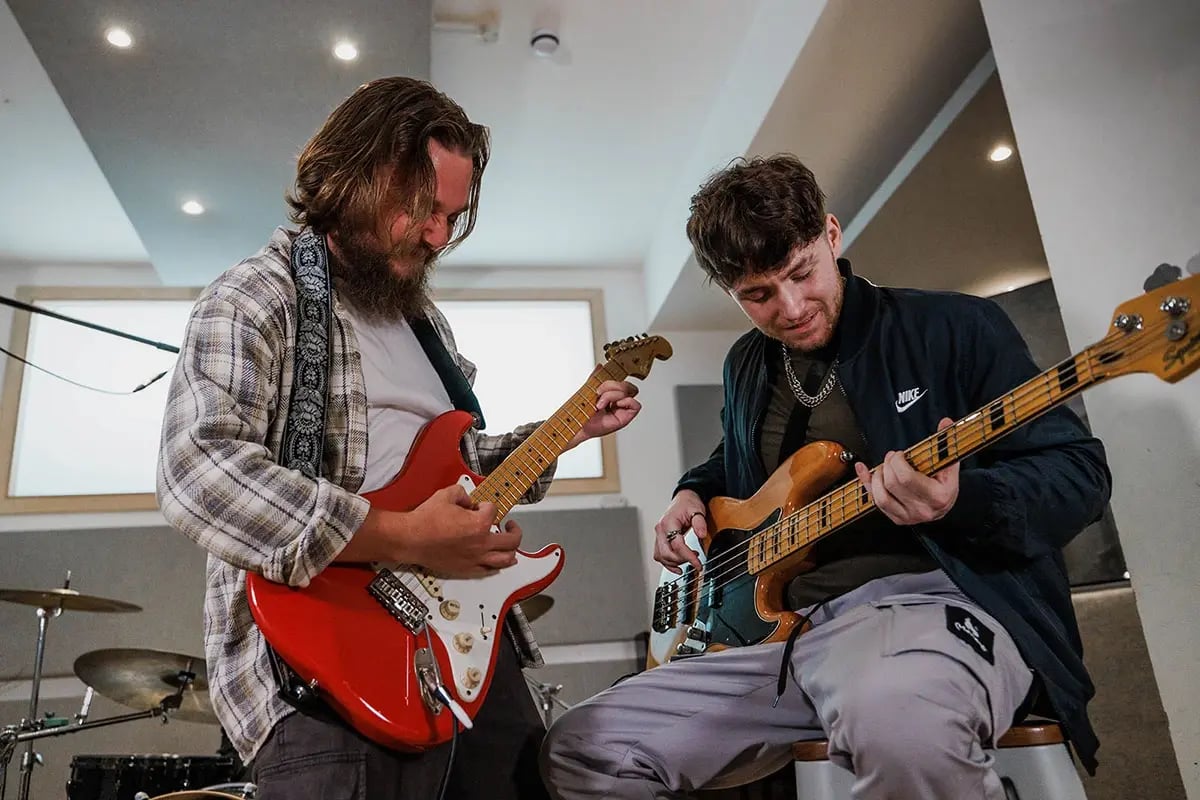
The skills you are developing as a music student are skills that other people want to learn, and music teaching is one of the most reliable and flexible ways to generate income from music at any stage of a career.
Offering one-to-one lessons in your primary instrument, in music production software, in music theory or in DJing to local students, beginners and hobbyists is a straightforward way to turn your existing knowledge into a consistent income stream.
Explaining musical concepts clearly to someone else deepens your own understanding of them, and the discipline of preparing lessons and adapting your approach to different learners develops communication skills that are valuable in every other professional context music will put you in.
Sync licensing and music placement
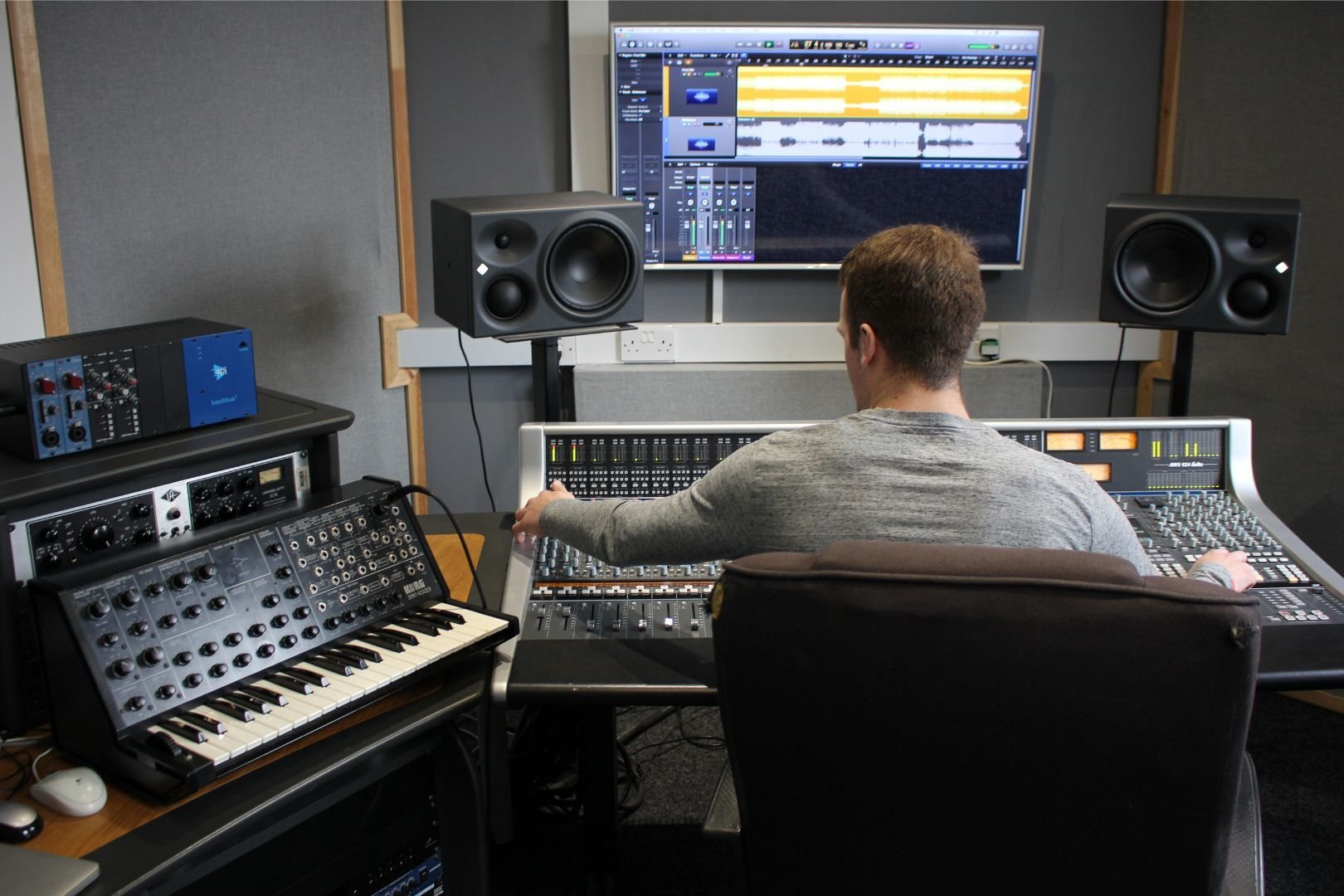
Sync licensing, which is placing your music in film, television, advertising, video games and online content, is an income stream that most music students do not think about early enough, and one that can generate meaningful revenue even from a relatively small catalogue of original work.
Building a catalogue of well-produced, well-tagged tracks on sync licensing platforms is a slow burn rather than an overnight income, but it is one that can generate passive revenue for years from music you have already made.
Getting your music placed in student films, short films and independent productions is also a worthwhile route, particularly if you are studying alongside film or media students who need music for their own projects. Those placements may not pay much in the early stages, but they build your sync portfolio, your credits and your network in an industry where those things open significant doors.
Content creation and building an online presence
.png?width=701&height=467&name=_ACC%20Email%20-%20300%20x%20200%20Image%20-%20OD%20Confirmation%20March%20(2).png)
The relationship between music and content has never been more direct than it is right now, and musicians who understand how to communicate their work online are at a significant advantage in the current industry landscape.
Building an audience through YouTube, TikTok, Instagram or a combination of all three does not just generate income directly, through monetisation, brand partnerships and merchandise, it creates a platform that supports every other aspect of a music career.
Monetising an online audience takes time, but the process of building one is valuable in itself. The discipline of creating content regularly, understanding what resonates with your audience, and the experience of communicating your music and your personality online are all skills that the music industry increasingly values.
Session work and collaboration
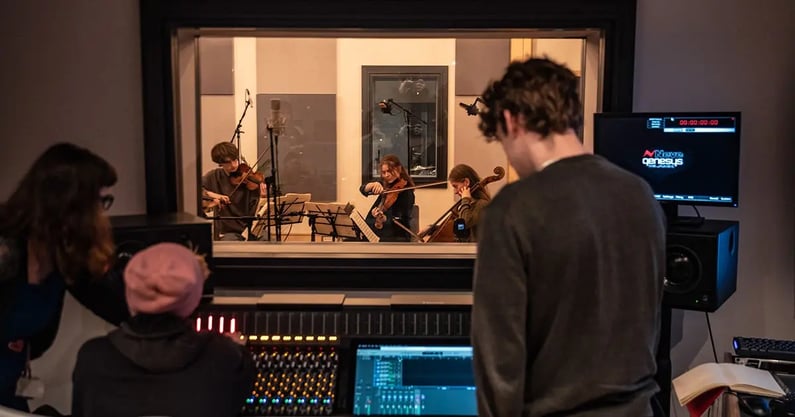
As your skills develop, opportunities to work as a session musician, session singer or featured artist on other people's projects become increasingly available, and they can be both financially rewarding and creatively stimulating.
Session work is one of the oldest and most reliable forms of income in the music industry, and whilst the market for it has shifted with the rise of remote recording, the demand for skilled session players and vocalists remains strong.
Your network of fellow students and local artists represents a natural pool of collaboration opportunities, and the relationships you build through those early collaborations are often the ones that lead to paid work later in your career.
Study music at dBs Institute of Music
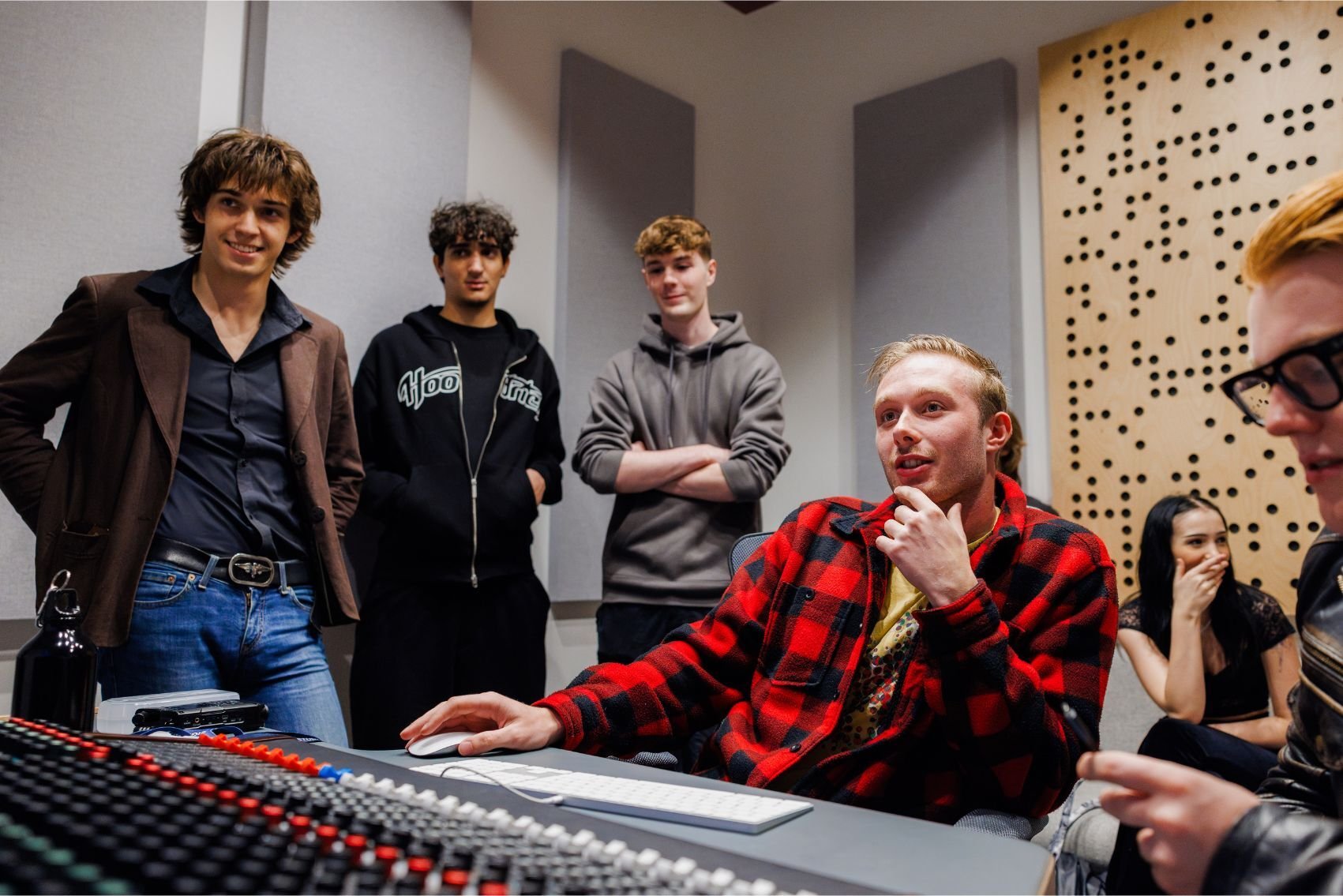
At dBs Institute of Music, our courses are designed with the real music industry in mind, taught by working professionals who understand what it takes to build a sustainable career in music, and delivered in an environment that actively encourages students to start developing their professional practice from day one.
Whether you are interested in music production, live sound, songwriting, performing or event management, we offer degree-level programmes across our campuses in Bristol, Manchester and Plymouth that give you the skills, the knowledge and the network to get where you want to go.
We run regular Open Days across all three campuses so you can visit the facilities, meet the experienced tutors and see what student life is like at dBs!